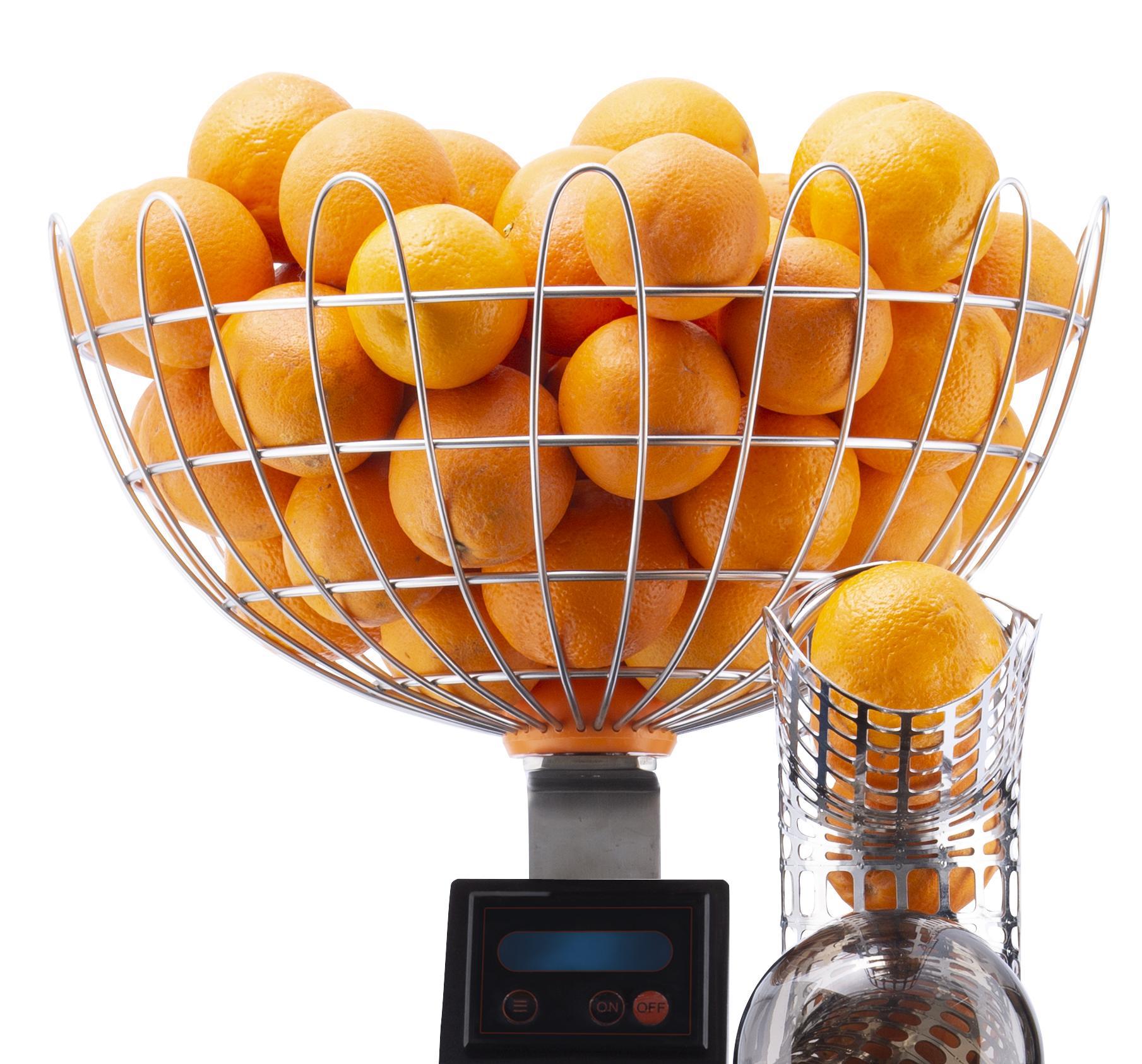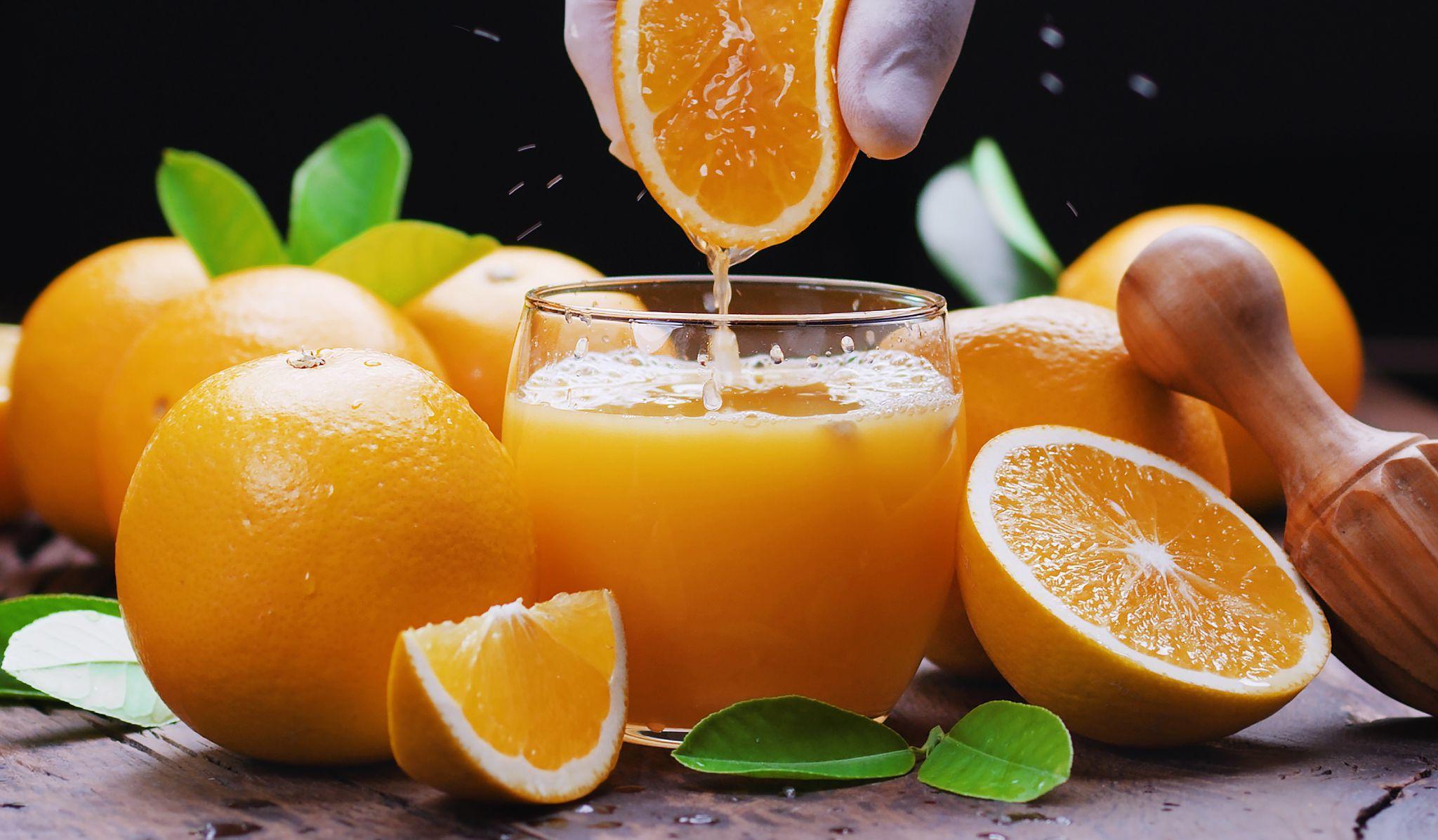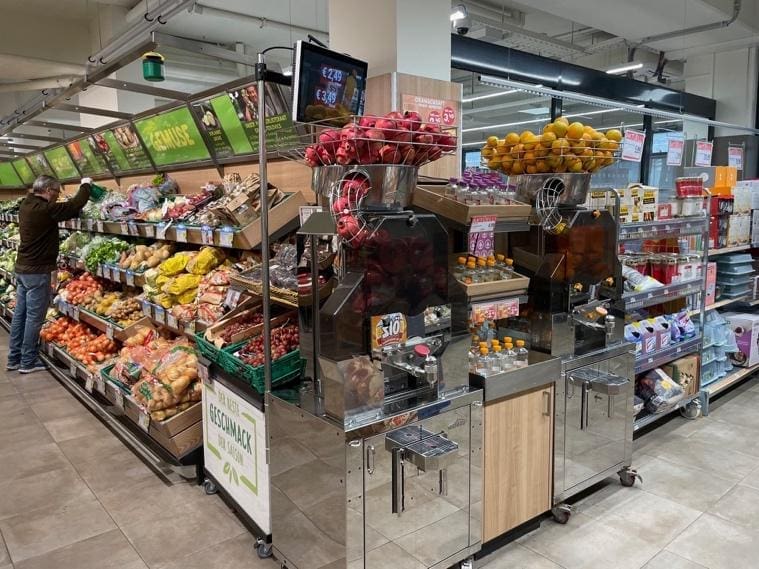


Fresh juice is no longer just a trend — it’s a core part of menus in cafés, hotels, restaurants, bars, and grocery stores. Whether it’s a glass of fresh-squeezed orange juice, tangy grapefruit juice, or refreshing lemonade, customers expect juice with great flavor and freshness.
But with so many different commercial juicers and machine types available — from manual juicers, to citrus presses, centrifugal extractors, to cold press machines — how do you decide which is the right fit for your business?
This guide answers the most common questions businesses ask when choosing a commercial citrus juicer, and explains how different machine types compare.
1. What Juicer Makes the Best Tasting Orange Juice?
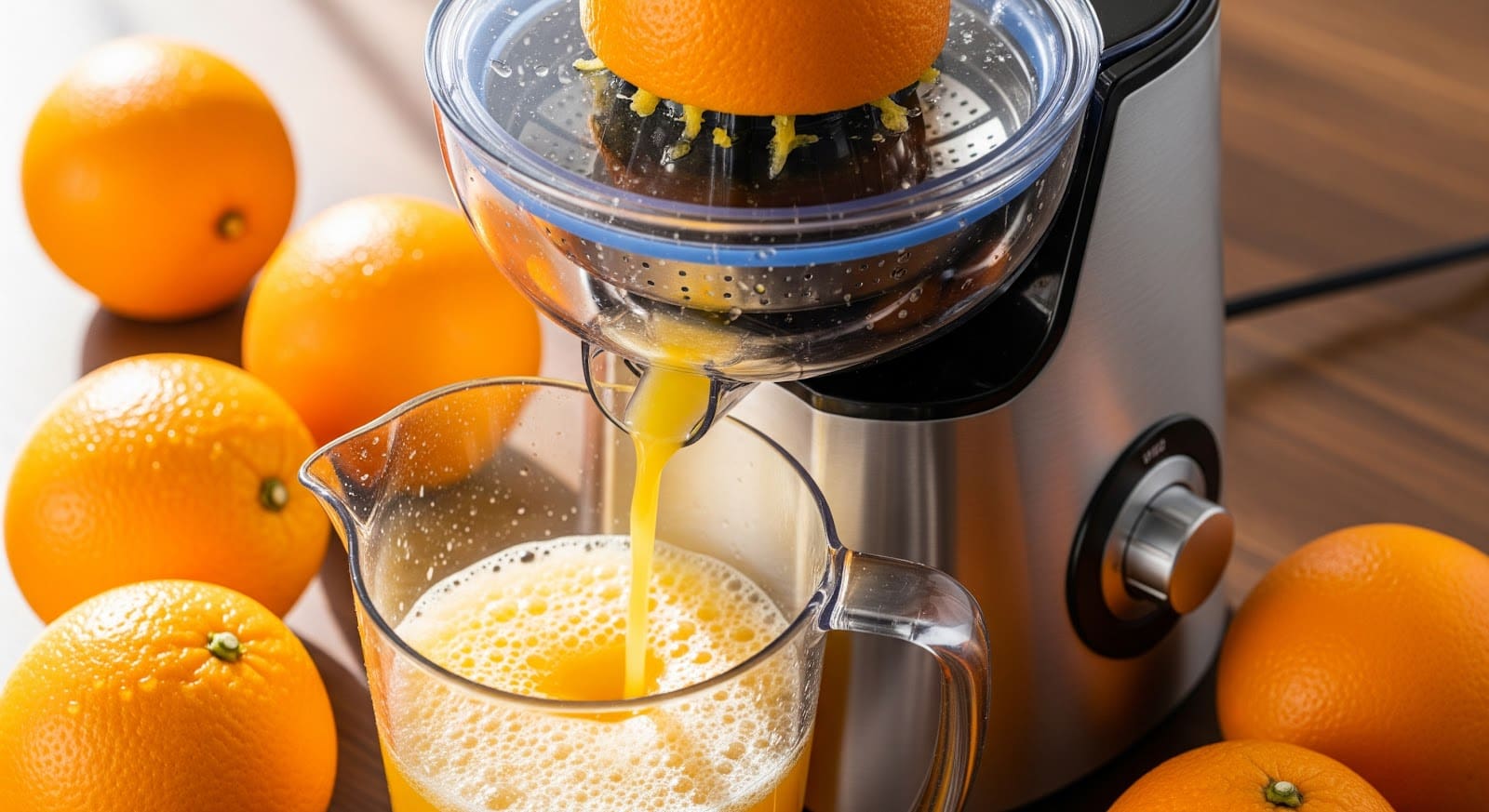
Citrus juice's taste depends on how the machine interacts with the peel. Some machines tear, crush, or grind the peel, which can release bitter oils. This is why juice from a centrifugal juicer, cold press, or poorly designed citrus press can taste harsher and more bitter.
For citrus fruits, machines that properly cut and press (rather than grind or tear) usually produce the cleanest flavor. Premium electric citrus juicers distributed by Citrus America are explicitly designed for oranges, lemons, limes, and grapefruits, resulting in bright freshness and less bitterness.
2. Which Commercial Citrus Press Is the Most Reliable?
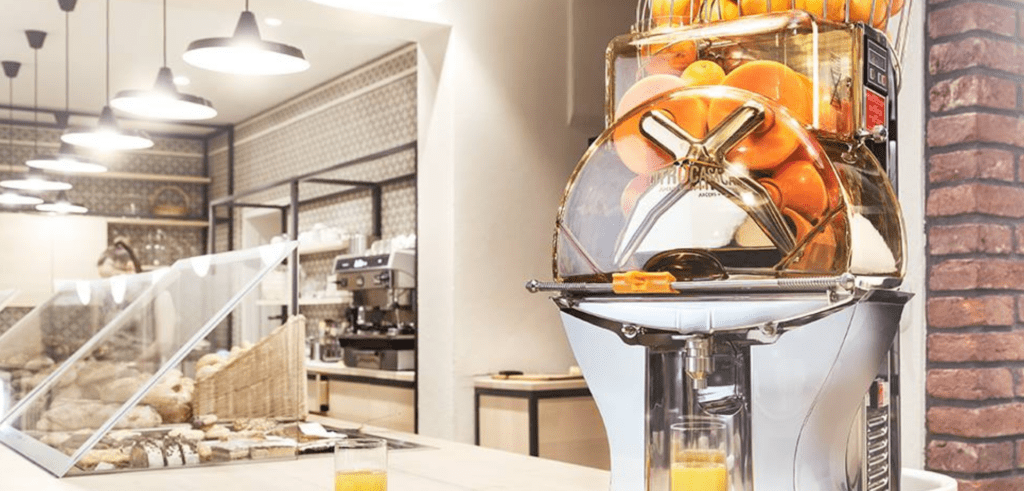
Reliability depends on both build quality and intended use. Manual juicers are simple and can last for years, but are impractical for high-volume businesses. Cold-press juicers can be reliable but are slower and better suited for mixed vegetable juices or nut milks.
For businesses producing large amounts of citrus juice daily, stainless steel electric citrus juicers are often the most reliable option. Commercial models are designed to run all day in high-demand environments.
Excessive use of plastics in key areas can lead to frequent breakages. Plastic can flex, and repeated flexing of plastic parts can lead to their breakage and unnecessary machine downtime. Plastic can also become scratched, a hygiene risk that must be replaced. Finally, plastic can get scuffed and suffer from fading colors, so if you want to keep the juicer looking shiny and new, excessive use of plastic can become quite costly.
Additional features on a commercial citrus press can also dramatically increase reliability and durability. Citrus America's Citrocasa juicers have many features to support reliable daily juicing and long equipment life.
Dynamic Serrated Knife: A dynamic moving serrated knife cuts the fruit, reducing wear and tear on the juicer and dramatically reducing knife breakage.
Robust Seals: Highly durable seals keep juice out of the back of the machine and help protect the life of the bearings and the motor. They also make cleaning the juicer faster and easier, which also extends the life of the juicer. In addition, high-quality seals separate the motor area from the juicing area.
304 Food Grade Stainless Steel: High-quality food-grade stainless steel can dramatically reduce wear and tear, reduce spending on replacement parts, and help ensure longer equipment life and equipment that looks great longer.
Double Cover: Juicers, such as the Citrocasa models, that use a Double Cover have an extra layer of stainless steel protection that speeds up cleaning, increases hygiene, supports much higher reliability, and extends the life of the juicer.
Electronic Overload Protections: Juicers outfitted with overload protection help protect the motor and internal gears against damage caused by fruit jams and other operator errors. This prevents breakage, reduces the need for service calls, helps ensure more juicer uptime, and extends the life of the juicer.
Technical Support: Besides equipment design, materials used, and overall build quality, having outstanding technical support and training helps make it easier to train employees on the use of the juicer. Fast technical support and customer service also help dramatically increase reliability and help get you up and running fast should an issue arise.
3. How Long Should a Commercial Citrus Juicer Last?
Most well-maintained stainless steel machines with removable, dishwasher-safe parts should last at least this long. Design features, great technical support, and regular staff training can also help increase reliability and extend equipment life. Businesses that choose purpose-built commercial juicers for citrus from reputable partners often see the longest lifespan and the least downtime.
4. What Features Matter Most in Commercial Juicers?
When comparing juicers, look for:
- Juice quality (minimal peel oil, controlled pulp, flavor)
- Speed and efficiency (fruits per minute)
- Durability (solid juicer built with stainless steel)
- Ease of cleaning (dishwasher safe, removable parts)
- Hygiene (fast, safe, effective cleaning)
- Safety (protections for employees and equipment)
- Training & support (training videos, manuals, technical support, parts availability)
- Certifications for food safety (NSF, UL, etc.)
Some vegetable presses and masticating juicers excel at extracting nutrients from leafy greens and vegetables and hard fruits and vegetables, such as carrots and apples. In contrast, electric citrus juicers are far more efficient at handling large volumes of oranges, lemons, limes, and grapefruits.
5. Can Commercial Citrus Juicers Handle More Than Orange Juice?
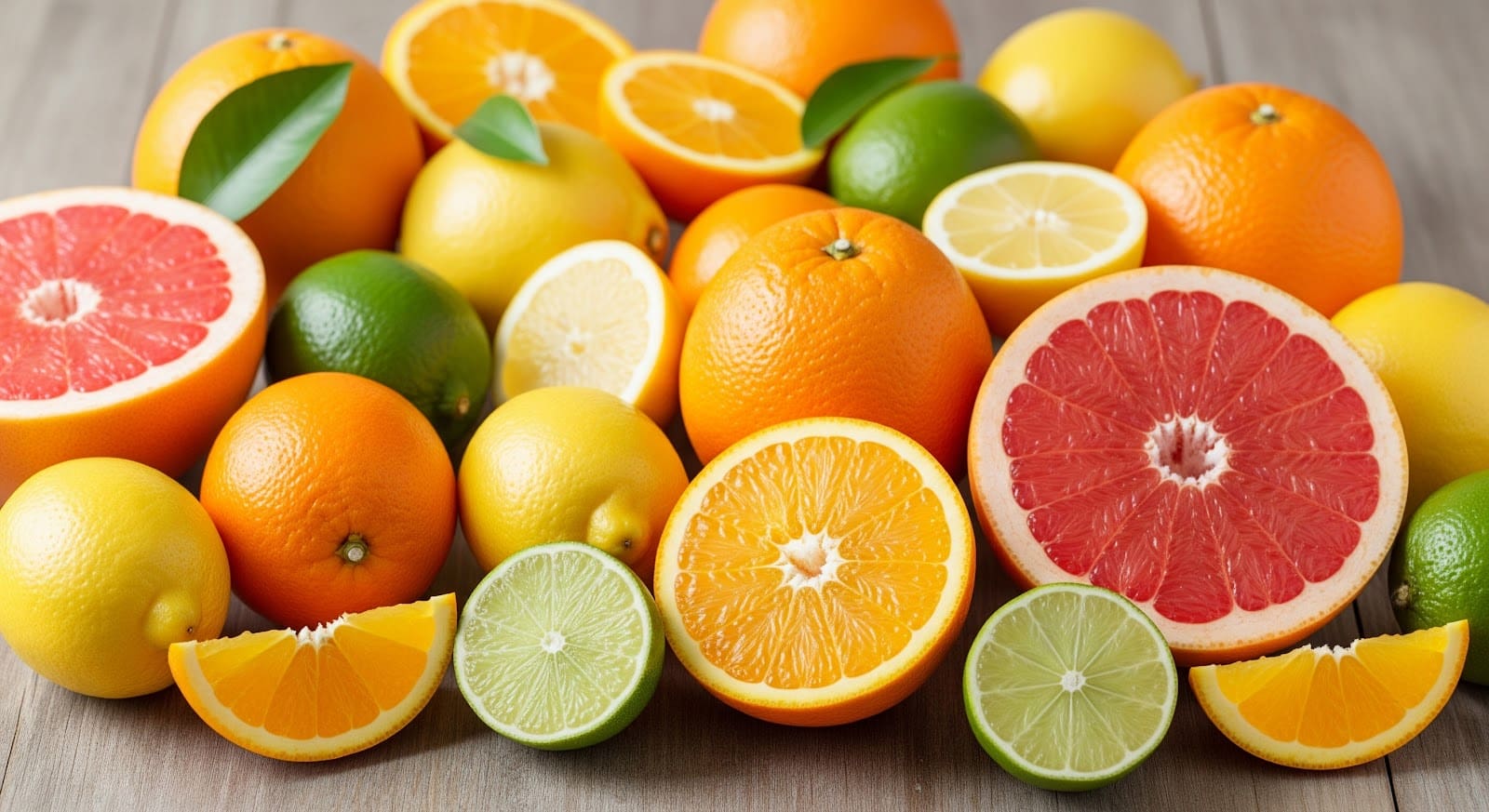
Yes. A good machine should be able to juice multiple citrus fruits, such as lemons, limes, oranges, and grapefruits. Some specialty machines can also press pomegranates. Juicing pomegranates is similar to squeezing citrus, but it is more physically demanding on the equipment. Features such as a dynamic serrated knife help dramatically improve a machine’s ability to cut and squeeze harder fruit, such as limes and pomegranates.
If you plan to juice other types of produce like apples, carrots, or leafy greens, you’ll need a different category altogether — such as a cold press juicer, or a centrifugal juicer, or a masticating juicer. But for pure citrus juice, a dedicated commercial orange juicer is more labor efficient and produces better taste.
6. How Fast Are Commercial Citrus Juicers?

- Manual juicers: Slow — one fruit at a time, but makes a high-quality juice
- Masticating/cold press juicers: Moderate — higher yield, but slower extraction. Must peel citrus fruit before juicing, which can be extremely labor-intensive
- Automatic electric citrus juicers: Fast — 20 to 40 fruits per minute and handles cutting, squeezing, and peel management, so highly labor efficient
For businesses serving dozens or even hundreds of customers, speed is critical. High-volume machines can keep up with juice bar traffic, craft cocktail production, or morning grocery demand with minimal effort.
7. What’s the Difference Between Freshly Squeezed and Cold Press Juice?
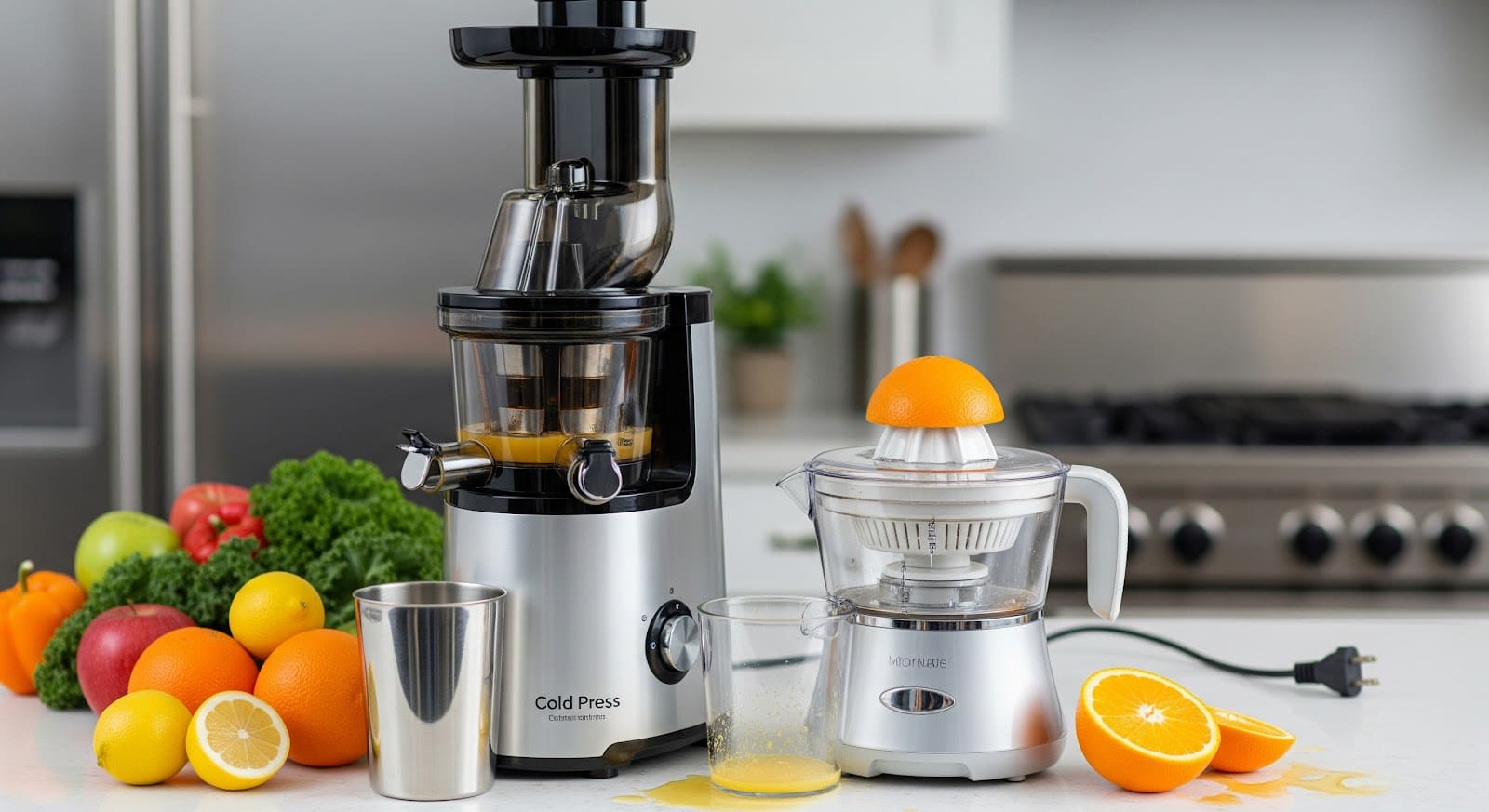
Cold-press juicers use hydraulic pressure to extract juice from a wide range of produce, including vegetables. They are ideal for mixed juice recipes but take longer and require more prep. A two-stage cold press first shreds the fruit or vegetables to be pressed, then squeezes them using a hydraulic press. Citrus fruit should be peeled prior to placing it in this type of juicer, which can be highly labor-intensive.
Freshly squeezed citrus juice from an electric citrus juicer is faster, cleaner, and requires less labor. Both have health benefits and preserve valuable nutrients, but if your goal is primarily orange juice, lemon juice, or grapefruit juice, a dedicated citrus press is the most practical option. Citrus juice coming from a commercial citrus juicer is, in fact, cold-pressed, and high-quality equipment produces juice in line with high-quality hand-pressed juice.
8. Why Does Juice Taste Different Between Machines?
The biggest factor is peel handling. Machines that grind, shred, or tear the peel can create oil and other bitter peel substances to get into the juice. The next factor is how hard the juicer squeezed the fruit: over-pressing the fruit can also release bitterness and pith into the juice.
Electric citrus juicers designed specifically for citrus use a clean cut-and-press system, ensuring the flavor remains sweet, vibrant, and true to the fruit. It’s important to check the quality and design of the cutting system to ensure it does a quality job and does not tear the peel.
While there are juicers that promise higher yields, these juicers tend to over-press the fruit and extract the bitter pith. This makes for a less pleasant juice experience.
Juice flavor is extremely important when making pure juice. Using fresh juice in cocktails and/or cooking recipes is also critical. For example, high-quality lime juice with low peel oil contamination is important for making the best ceviche or guacamole. Low peel oil is also important for making the best cocktails—the bartender or mixologist can balance bitterness to the cocktail by adding their choice of ‘bitters’ and should not be forced to deal with bitter juice.
If you’re going to invest in a citrus juicer, make sure you consistently make the best-tasting juice possible.
9. What Support Is Available After Warranty?
Commercial juicers are an investment. The best suppliers not only provide a solid warranty but also offer equipment stock, replacement parts, and service well beyond the coverage period.
This is an area where choosing the right distributor matters. Some companies treat machines as disposable; others — like Citrus America — provide long-term support, training, and parts availability.
Fast response times on technical support phone calls, and quick turn-around on shipping parts means your juicer will never be down long. Slow response, delayed shipping and lacking customer service can harm a juicing program by decreasing availability.
The right partner can help you run a highly successful and consistent juicing program. That means you have the best equipment available and have exceptional technical and training support.
Choosing the Right Commercial Citrus Juicer for Your Business
The “best” juicer depends on your needs:
- Cold press / masticating juicers → These are great for mixed produce and vegetable juices, but they are slower. If using this type of equipment, citrus fruit needs to be manually peeled to avoid heavy peel oil contamination.
- Manual juicers → Simple, affordable, but labor-intensive and unsuited for high volume.
- Centrifugal juicers → Fast for mixed produce, but not ideal for citrus (bitter taste). To avoid bitterness, you need to peel the citrus, which is highly labor-intensive manually.
- Electric citrus juicers → The most efficient option for consistent, large-scale citrus production in juice bars, hotels, restaurants, and groceries.
For operators looking to serve fresh citrus juice daily with consistent quality, a high-quality, electric, fully automatic commercial citrus juicer is the clear choice.
Final Thoughts About Commercial Citrus Juicer
Whether you’re serving fresh-squeezed orange juice, tangy grapefruit juice, or refreshing lemonade, the right juicer makes all the difference in taste, efficiency, and long-term value. The best-tasting juices can help you develop signature products that keep customers returning for more.
Suppose you’re exploring commercial juicers for your business. In that case, Citrus America can help guide you through the options and recommend the perfect juicer for your needs — whether you’re opening a juice bar or adding a self-serve station to your grocery store.
Citrus America has been delivering Healthy Profits with Juicing to its customers since 2011. We focus on Taste, Hygiene, and Efficiency so you can focus on growing your business.