

Introduction to Fresh Juice
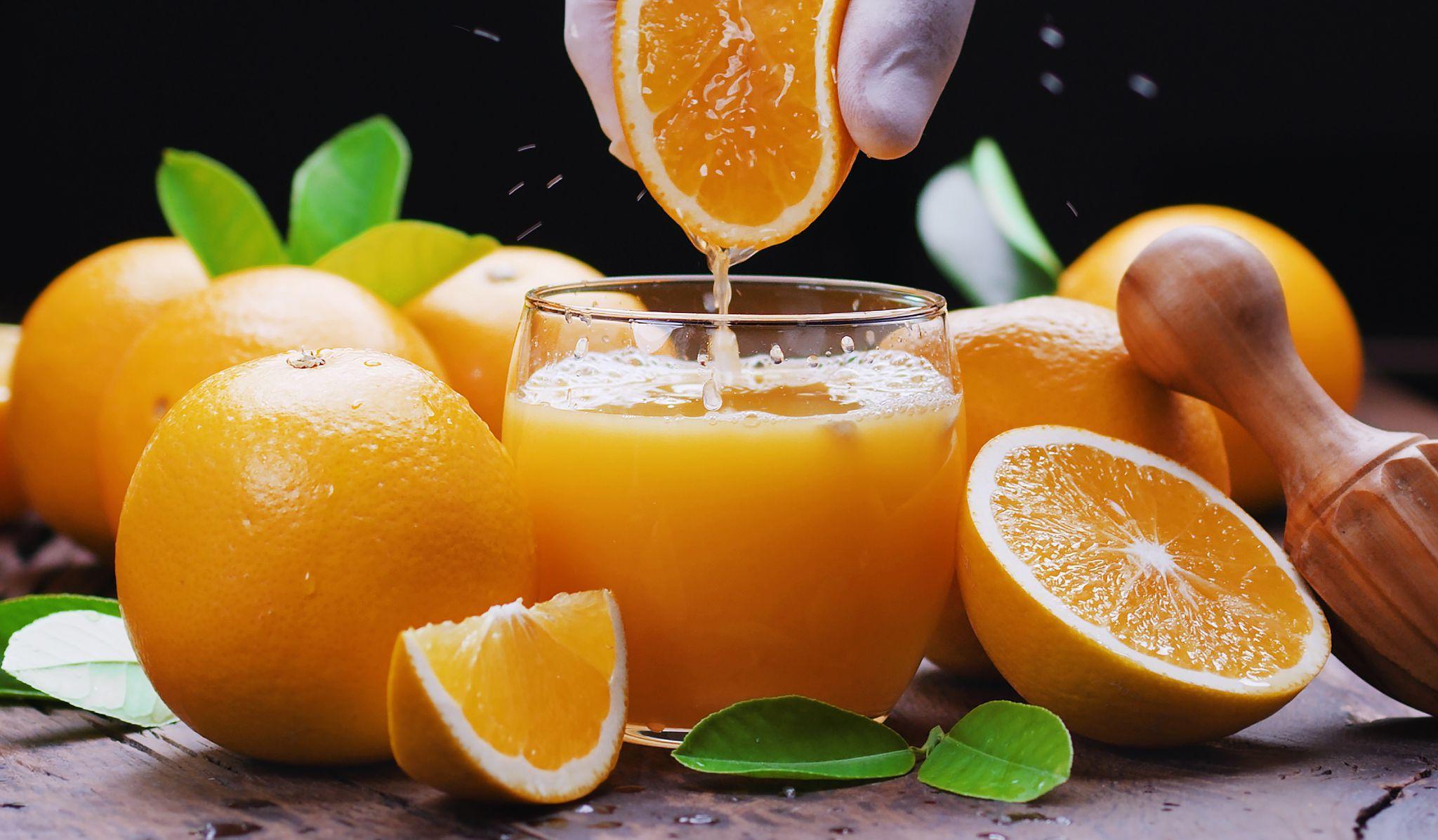
Juicing — extracting pure liquid from whole fruits and vegetables — has become one of the most compelling perimeter opportunities in grocery retail and food service. Health-conscious consumers are actively seeking fresh, transparent, minimally processed products, and operators who deliver on that demand create a genuine competitive advantage. A well-run fresh juice program meets that demand with a product that’s visibly different from anything sitting in the refrigerated aisle — one that drives customer trips, improves margins, and builds the kind of brand loyalty that packaged products simply can’t generate.
This guide covers what juicing is, what you can juice commercially, which equipment makes sense at scale, and how to build a program that delivers Healthy Profits — the combination of strong margins, customer trust, and repeat business that defines a truly successful fresh juice operation.
What Is Juicing?
At its core, juicing is the process of separating liquid from whole fruits and vegetables. The extracted juice contains the vitamins, minerals, natural sugars, and flavor compounds of the produce — delivered in a concentrated, easy-to-drink form.
For commercial operators, the practical definition is straightforward: juicing is the fastest, most scalable way to convert whole fruit into a premium, high-margin product that customers actively seek out. The variable that separates good programs from great ones is the quality of the equipment and the commitment to freshness. Operators who invest in high-quality commercial citrus juicing equipment with a focus on Taste, Hygiene, and Efficiency consistently outperform those who treat juicing as an afterthought.
How Does Commercial Juicing Work?
Different juicing methods produce different results in terms of yield, flavor, nutrient retention, and operational efficiency. Understanding the options helps operators choose the right equipment for their specific program.
Centrifugal juicers use high-speed spinning blades to shred produce and separate juice from pulp. They’re fast and versatile for mixed fruits and vegetables, but generate some heat and oxidation that can affect flavor and shelf life.
Cold-press (masticating) juicers use hydraulic pressure to extract juice with minimal heat, preserving more nutrients and volatile aroma compounds. They operate more slowly and require more preparation time.
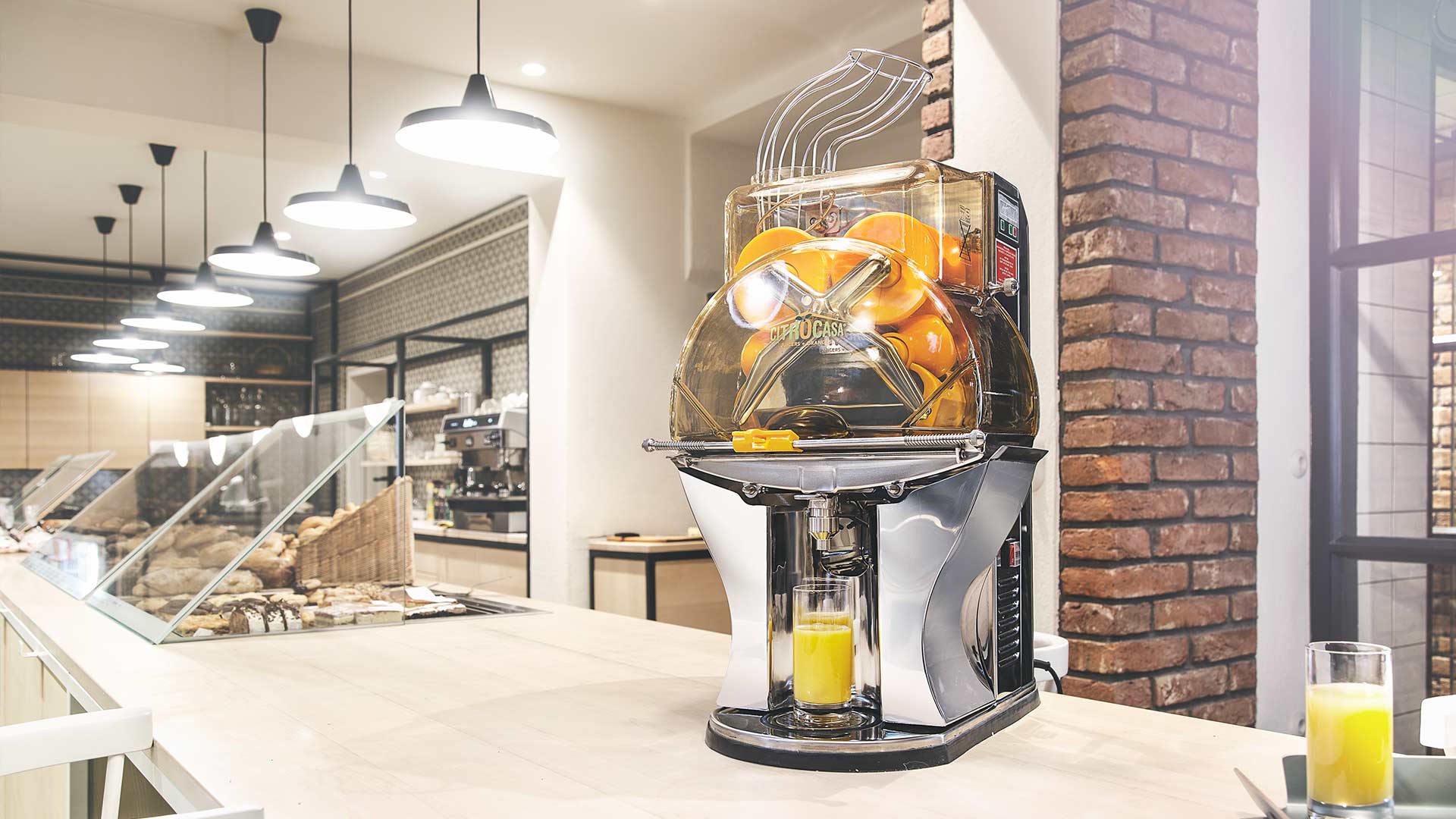
Automatic commercial citrus juicers are purpose-built for citrus fruit — oranges, lemons, limes, grapefruits, and even pomegranates — and represent the most labor-efficient extraction method available for high-volume citrus programs. These machines cut and press whole fruit in a single automated motion, delivering consistent juice quality at speed, with minimal staff involvement. For operators focused on citrus — and orange juice in particular — the automatic commercial citrus juicer stands apart on output volume, consistency, and operational simplicity. See our guide on how different types of citrus juicers work and where they excel.
What Can You Juice Commercially?

Most fruits and vegetables can be juiced. The right mix for a commercial program depends on your customer base, equipment capabilities, and the margins you’re targeting.
Best Fruits for Commercial Juicing
Oranges are the anchor of any commercial citrus program. High juice yield, broad consumer appeal, strong vitamin C content, and an unmistakable fresh flavor make orange juice the top-selling fresh juice product across retail and food service.
Lemons and limes are workhorses in food service — for fresh lemonade and limeade programs, as flavor brighteners in blended juices, and as culinary ingredients. Their high citric acid content also extends the shelf life of other fresh juices.
Grapefruits appeal to health-focused consumers and pair well with other citrus for signature blends. They’re a strong addition to hotel breakfast programs and upscale food service menus.
Pomegranates deserve a specific callout: the highest-quality commercial citrus juicers — including Citrus America’s Citrocasa machines — can extract pomegranate juice directly. Pomegranate juice commands premium pricing, carries a well-established health reputation, and differentiates a program from standard citrus offerings.
Best Vegetables for Commercial Juicing
Vegetable juice adds nutritional depth and menu diversity. Top performers for commercial programs include:
- Carrots: naturally sweet, high in beta-carotene, and broadly appealing
- Celery: a consistent trend driver with strong standalone and blended use
- Cucumbers: light and hydrating, ideal for premium wellness menus
- Leafy greens (spinach, kale): popular in green juice blends targeting health-focused customers
Mixing vegetables with citrus fruit is a proven formula for flavor balance: the natural sweetness and acidity of citrus offset the earthiness of greens and roots, making the final product more approachable for a broad audience.
What to Avoid
Bananas and avocados are too dense for standard juicers and are better suited to blended smoothie programs. Overripe produce introduces off-flavors and food safety risks. Strong alliums like onions and garlic are technically juiceable but generally unsuitable for commercial beverage menus. Always start with fresh, high-quality whole fruit — the quality of the input determines the quality of the output.
What Kind of Juicer Is Best for a Commercial Operation?

The best juicer for a commercial program depends on what you’re juicing, at what volume, and with how much staff involvement. For operators building a citrus-focused program — which describes the majority of high-margin fresh juice operations in grocery retail and food service — a purpose-built automatic commercial citrus juicer is the clear choice.
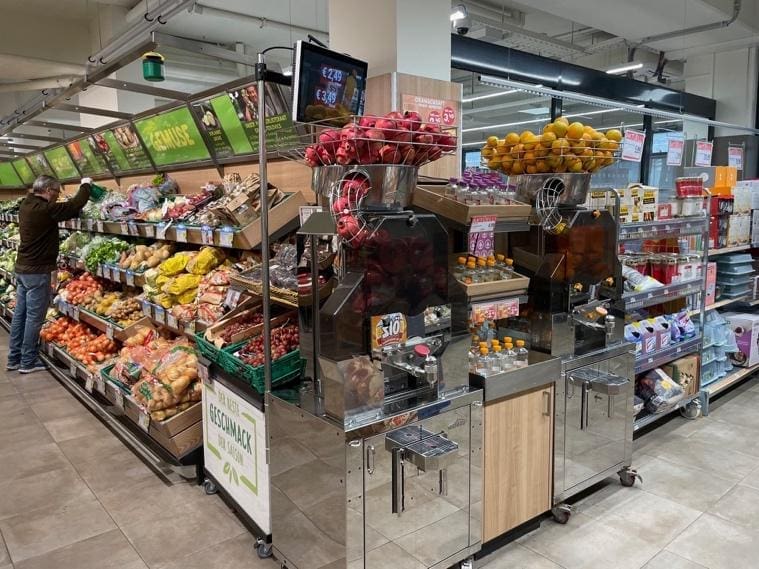
Citrus America’s Citrocasa juicers extract juice from whole fruit in a single automated motion, requiring no peeling, chopping, or prep. Output volume is high, cleaning is fast, and juice quality is consistent across every cup. In many configurations, the machine can operate self-service, eliminating the need for a dedicated staff member. For grocery produce departments and food service operations managing labor costs, that efficiency profile directly improves the economics of the program.
Citrocasa juicers are built around a Soft Cut System that produces the lowest peel oil content in the commercial juicing industry. Peel oil is the primary source of bitterness in citrus juice — reducing it means sweeter, cleaner juice without additives or adjustments. The machines are constructed from 304 food-grade stainless steel with 2-Zone Technology for fast, effective cleaning and full hygiene compliance. NSF-certified and Austrian-engineered, they’re designed for years of reliable commercial use.
How Is Commercial Juicing Different from Home Juicing?
Home juicing is about exploration — experimenting with recipes, controlling ingredients, and integrating fresh juice into a personal health routine. The volumes are small, the equipment is sized accordingly, and the pace is relaxed.
Commercial juicing is a different discipline entirely. The questions that matter are: How many cups per hour can the equipment produce? How long does cleaning take between cycles? What is the uptime record of the machine? What happens when something needs service? These are the variables that determine whether a fresh juice program actually generates Healthy Profits — or becomes an operational headache that underperforms its potential.
Restaurants, hotels, universities, and grocery retailers who have built successful fresh juice programs consistently point to two factors: equipment reliability and vendor support. A fresh juice program lives and dies by uptime. Every hour a juicer is out of service is revenue lost and customers disappointed. That’s why Citrus America provides lifetime telephone technical support — not a warranty period, not a service contract with an expiration date. Lifetime support, from a US-based team, for as long as the equipment is in service.
Why Does Fresh Juice Build Customer Loyalty?
Fresh juice preserves the vitamins, antioxidants, and natural flavor compounds of whole fruit in a way that pasteurized, packaged juice cannot match. The volatile aroma molecules responsible for the bright, zesty character of fresh citrus degrade rapidly with heat and time — which is why freshly squeezed juice smells and tastes fundamentally different from anything in a bottle.
From a commercial standpoint, these credentials matter because your customers are paying attention to them. Fresh juice is one of the few products that is genuinely healthier, visibly fresher, and demonstrably better-tasting than its packaged competition — and customers who experience that difference become loyal, repeat buyers.
That’s the health side of Healthy Profits: selling a product people trust, that builds your brand, and that keeps customers coming back. It’s not just a margin story — it’s about creating a destination experience with Signature Products that earns market share and drives repeat trips.
How Do Seasonal Varieties Drive Program Differentiation?

One of the underutilized advantages of a fresh juice program is the ability to rotate seasonal varieties. Valencia and Navel oranges are the year-round workhorses, but blood oranges, Cara Cara oranges, and clementines create natural seasonal moments that drive trial, social sharing, and customer conversation.
A blood orange juice served in winter, or a fresh tangerine lemonade in spring, signals to customers that your program is genuinely fresh — not just fresh-branded. That authenticity is a competitive differentiator that packaged juice products simply cannot replicate, and it positions your fresh department as a destination rather than a commodity aisle.
What Does It Take to Build a Successful Commercial Fresh Juice Program?
The operators who get the most out of fresh juice programs share a few common characteristics: they choose high-quality commercial juicing equipment matched to their volume and menu, they train staff on consistent protocols, they source high-quality whole fruit from reputable suppliers, and they partner with a vendor who stays engaged after the sale.
Citrus America has spent 15 years building fresh juice programs across grocery retail, food service, hotels, and institutions. The approach isn’t to sell equipment and move on — it’s to build programs that deliver long-term results. That means helping operators identify the right machine for their operation, supporting the implementation, and being available when questions arise.
Fresh juice programs consistently deliver 50%+ gross margins on juice sales. They drive customer trips, differentiate the fresh department, and build the kind of brand trust that outlasts any promotional campaign. That’s Healthy Profits — and it starts with the right equipment and the right partner.
Frequently Asked Questions About the Guide to Fresh Juice Programs

What exactly is commercial juicing? Guide to Fresh Juice Programs.
Commercial juicing is the process of extracting liquid and nutrients from whole fruits and vegetables at scale — producing a high-margin, fresh product that customers actively seek out. Unlike home juicing, the key variables in a commercial setting are output volume, cleaning efficiency, equipment uptime, and vendor support. Getting these right is what separates programs that deliver Healthy Profits from ones that underperform.
What can you juice commercially?
Most fruits and vegetables can be juiced commercially. Citrus fruits — oranges, lemons, limes, grapefruits — are the backbone of most high-volume fresh juice programs. Top-tier commercial citrus juicers can also extract pomegranate juice, adding a premium SKU to the menu. Mixed produce programs can incorporate apples, carrots, beets, celery, and leafy greens.
What types of commercial juicing equipment are available?
The main categories are centrifugal juicers, masticating (slow) juicers, cold-press juicers, and automatic commercial citrus juicers. For operators focused on high-volume citrus juice, automatic commercial citrus juicers are the most efficient and labor-friendly option by a significant margin. Citrus America’s Citrocasa lineup covers configurations for everything from cafés and juice bars to large-scale grocery and institutional programs.
What kind of juicer is best for a grocery produce department?
For grocery operators, the Citrocasa commercial citrus juicer is purpose-built for the demands of a high-traffic produce department: high output volume, self-service capability, fast cleaning, and consistent juice quality without a dedicated operator. The Soft Cut System delivers the industry’s sweetest, lowest-bitterness juice — which is ultimately what drives repeat purchases and customer loyalty.
How long does fresh juice last?
Clean fruit juiced on the right, and clean, equipment along with high levels of citrus acid ensures safe consumption of refrigeration juice for days. For peak flavor and aroma, fresh juice is best served same day. The flavor of fresh juice remains outstanding for 3 to 5 days after juicing. For commercial programs, on-demand extraction is the gold standard — it’s what customers can see happening, and it’s what they’re paying a premium for.
What support does Citrus America provide after the sale?
Lifetime telephone technical support — not a warranty window. Citrus America stays engaged with operators after equipment installation because a successful program requires more than a machine. If something needs attention, you have direct access to a US-based technical team for as long as the equipment is in service.
Ready to Start or Scale Your Fresh Juice Program?
Whether you’re launching a fresh juice program from scratch or looking to upgrade equipment that isn’t delivering consistent results, Citrus America has the expertise and equipment to build something that works — for your menu, your operation, and your margins.
Explore the full Citrocasa lineup on the Citrus America product page, or contact us to talk through what a Healthy Profits fresh juice program could look like for your business.
About Us
About Citrus America – Citrus America specializes in high-performance commercial juicing solutions and programs designed to help grocery stores, foodservice operations, and retailers differentiate their offerings with fresh, high-quality products. With a focus on safety, efficiency, and innovation, Citrus America empowers businesses to create signature fresh programs that drive revenue, increase customer engagement, and enhance brand value.