

Introduction to Fresh Juice
Freshly squeezed orange juice is more than just a morning ritual; it's a celebration of pure, natural flavor. Made by extracting juice directly from ripe oranges using a manual or electric juicer, this fresh juice delivers a concentrated burst of vitamins, minerals, and antioxidants in every glass. The moment you start drinking orange juice that's been freshly squeezed, you'll notice its vibrant aroma and lively taste, which combine for the most amazing flavor: a combination that shelf-stable bottled juice can’t seem to match.
Unlike processed shelf-stable bottled options, freshly squeezed juice captures the essence of the fruit, offering a refreshing drink that's as nutritious as it is delicious. Packed with vitamin C and other beneficial compounds, fresh orange juice supports your immune system and overall health. Whether enjoyed immediately or chilled for later, freshly squeezed orange juice stands out for its bright flavor, natural aroma, and the unmistakable freshness that only comes from juicing oranges at their peak. For anyone who loves drinking orange juice, nothing compares to the taste and vitality of juice made fresh.
The Chemistry of Freshness
If you’ve ever wondered why freshly squeezed orange juice tastes so good, the answer lies in chemistry. When you squeeze an orange, hundreds of aroma compounds and flavor components are released instantly, a natural blend that creates the bright, tangy orange flavor we love.
These compounds, including citric acid, organic acids, and trace oils from the orange peel, as well as other components such as volatile chemicals and oils, all contribute to the complex flavor and aroma profile of fresh orange juice. Orange oil, which is extracted from the orange peel, plays a crucial role in the flavor and aroma of orange juice. The balance of sweetness, tartness, and very light bitterness gives freshly squeezed juice its lively and refreshing edge. Over-squeeze the fruit or tear the peels, and you’ll get too much peel oil and too much bitterness. Properly cut and squeezed fruit is important for the best flavor.
Fresh is best. Freshly squeezed orange juice tastes so much better due to the all-natural and unprocessed ingredients and the freshness. As time passes, oxidation breaks down these compounds, which is why fresh juice should be consumed within a week or so of squeezing. Pasteurized bottled juices undergo additional processes that alter the aroma and can’t quite capture the same sensory magic as juice squeezed straight from citrus fruit.
VIGNETTE: “Humans can detect five different tastes: sweet, salty, bitter, sour, and savory, or umami. It is important to recognize the difference between taste and flavor. Flavor is a multisensory experience that combines both the smell and taste of foods and drinks.” (Source: ENT Health, Powered by American Academy of Otolaryngology-Head and Neck Surgery)
In fact, this rapid chemical change is why fresh juice always tastes brighter and why fresh orange or freshly squeezed juice should be enjoyed as soon as possible after extraction. In food science, sensory analysis is used to evaluate and quantify these changes in orange juice, with trained assessors measuring how taste, aroma, and flavor evolve over time. Juice samples are often analyzed to assess changes in aroma and flavor profiles during processing and storage.
In highly processed juice, orange oil is often added back, in the form of flavor packs, to restore aroma and help maintain the orange flavor that is lost during production. Commercially processed juices, produced and bottled in factories, also rely on chemical flavor packs, which usually come from oranges, to restore flavors lost during pasteurization. Fresh juice contains suspended solids that carry a majority of the juice volatiles responsible for its aroma and flavor, but these suspended solids and volatiles are stripped away during commercial production, resulting in a less complex taste. These flavor packs can’t replicate the complexity of freshly squeezed orange juice.
Molecular Composition of Orange Juice
Orange juice is far more than just a sweet, tangy drink; it’s a complex blend of molecules that work together to create its signature flavor, aroma, and nutritional value. The molecular composition of orange juice is shaped by the type of oranges used, the extraction method, and how the juice is processed, making every glass a unique experience.
At the heart of freshly squeezed orange juice are organic acids, with citric acid and malic acid being the most prominent. These organic acids are responsible for the refreshing tartness that balances the natural sweetness of the juice. Speaking of sweetness, the sugar content in orange juice comes mainly from sucrose, glucose, and fructose, which give the juice its pleasant, energizing taste.
The sweetness of orange juice is driven by the sugar content and referred to as Brix. While Brix measures the overall solids in juice, it is a key indicator of sweetness. The tartness, or sourness, of juice is driven by its acidity. When looked at together, industry experts refer to the Brix-to-Acid Ratio.
But the story doesn’t end with acids and sugars. Freshly squeezed juice is also rich in phenolic compounds like hesperidin and narirutin. These natural antioxidants not only contribute to the subtle bitterness and depth of flavor but also offer potential health benefits, supporting your immune system and overall wellness.
What truly sets fresh-squeezed orange juice apart from commercial orange juice or frozen concentrated orange juice is its vibrant aroma. This comes from a diverse array of volatile compounds like terpenes, aldehydes, and esters that are released during juicing. These molecules are highly sensitive to processing; for example, flash pasteurization and other heat treatments used in commercial production can degrade or alter these aroma compounds, leading to a less dynamic flavor and aroma profile compared to freshly squeezed juice.
The extraction method also plays a crucial role. Juicing oranges at home or with high-quality commercial presses preserves more of these delicate volatile compounds and phenolic acids, resulting in a brighter, more complex taste and aroma than what you’ll find in most factory-processed store-bought orange juice or frozen concentrate.
Research from the University of Florida also documents that the volatile compounds found in various fruits and vegetables greatly enhance our perception of sweetness. This helps explain why fresh and natural fruit and freshly pressed juices taste so amazingly good. Strawberries, for example, taste good not only due to the natural sugars but also due to the volatile flavor components. The same seems to be true for freshly squeezed orange juice and how the aroma can increase the perceived sweetness without adding any sweeteners. (Bartoshuk/Klee, 2013)
Beyond taste, aroma, and flavor, orange juice is a powerhouse of essential nutrients. Freshly squeezed orange juice is an excellent source of vitamin C, as well as potassium and folate, all of which are vital for maintaining good health. However, the nutritional content can vary depending on the orange varieties used and how the juice is processed and stored.
Freshly squeezed orange juice also has a natural amount of fiber and other nutrients. "100% fruit juices are readily available nutrient-dense options containing naturally present sugars and, apart from fiber, can provide micronutrients and bioactive compounds at doses similar to those found in whole fruits." [LINK]
In summary, the molecular composition of orange juice is a fascinating interplay of organic acids, sugars, phenolic compounds, and volatile aroma molecules. Understanding these components helps explain why freshly squeezed orange juice tastes so good, and why it stands out from factory-processed commercial orange juice and frozen concentrated orange juice in both flavor and nutrition.
Types of Orange Juices

When it comes to orange juice, there’s a wide variety to choose from, each with its own unique qualities. Freshly squeezed orange juice is the gold standard, made by pressing juice straight from oranges for a pure, unadulterated flavor. In contrast, factory-produced and mass-distributed orange juice often undergoes additional processing steps that can impact its flavor and aroma compared to fresh juice. NFC, or Not-from-concentrate, orange juice undergoes quite a few processes before it makes it onto the store shelves: first, it's pasteurized and deaerated, then stored in tanks until it's ready for packaging, then flavor packs are added back into the juice to reintroduce the aroma, then it’s bottled. FCOJ, or Frozen Concentrated Orange Juice, on the other hand, is created by removing water from the juice through evaporation, then freezing the concentrated liquid for later reconstitution. These methods offer convenience and a longer shelf life, but the flavor can differ from fresh.
Orange juice purchased at grocery stores comes in several forms. Many stores now offer freshly squeezed orange juice made on-site, which delivers the same vibrant flavor as homemade juice. Factory-processed national and regional branded bottled options include not-from-concentrate and from-concentrate varieties, like Simply Orange, which claim to focus on minimal processing, while others may add preservatives or flavorings to maintain consistency and shelf life. Whether you’re reaching for fresh juice at the grocery store or squeezing your own at home, there’s an orange juice option to suit every taste, preference, and occasion.
What Pasteurization Does to Orange Juice
The biggest difference between freshly squeezed orange juice and pasteurized bottled juices comes down to heat treatment. Unfortunately, pasteurization alters natural flavor compounds and reduces vitamin C levels. While this process is necessary for shelf-stable products, it diminishes the fresh aroma and bright flavor that make freshly squeezed juice so appealing, whether you make it at home or purchase it fresh from a grocery store that squeezes juice on-site.
While brands like Simply Orange and Florida’s Natural create consistent, high-quality bottled juice, even the best-produced commercial juice can’t fully replicate the vivid, just-squeezed flavor of unpasteurized orange juice made from sweet oranges.
Why Fresh Juice Smells Better
Your sense of smell plays a massive role in how orange juice tastes. As discussed above, flavor is made up of taste and aroma. The zesty, fragrant burst you get from a freshly squeezed orange comes from volatile aroma compounds, natural molecules that evaporate after juicing. Fresh is best because the fresh juice tastes fresher because it contains more natural volatile flavor components, enhancing its vibrant flavor and perceived sweetness. The sensory experience of seeing and tasting juice made from squeezed fresh fruit delivers a superior taste and aroma, making it noticeably better than processed alternatives.
These compounds are responsible for that signature “fresh” scent you notice immediately after pouring a refreshing glass of freshly squeezed orange juice. Juice is best enjoyed immediately after being juiced to capture its full aroma and flavor, but can also be enjoyed for a few days after being squeezed. In contrast, bottled orange juice or frozen concentrate has muted aromas because those volatile oils dissipate during processing and storage, and the juice processors add in orange components to preserve flavor.
So the taste difference between fresh juice and pasteurized bottled juice isn’t just taste, it’s the flavor and aroma, too. The nose detects freshness long before the tongue does. Making your own juice at home, or buying freshly squeezed from your favorite grocery store, lets you experience the freshest possible flavor and aroma. If you’re not sure if your grocery store has freshly squeezed juice, ask the produce manager.
Texture, Color, and Mouthfeel

Freshly squeezed juice offers a richer color and fuller mouthfeel thanks to its natural pulp, fibers, and microscopic fruit solids, which commercial filtration and concentrate-blending processes often remove or alter, depending on the target. While these industrial steps create a thin, uniform juice, they strip away the depth, body, and creamy texture that customers associate with truly fresh fruit. These industrial processes can also create thick juice that can contain quite a bit of pith, the white substance between the orange itself and the outer peel. This juice is promoted as pulpy juice, but it can be quite different from the natural texture of hand-squeezed juice or juice squeezed on high-quality commercial citrus presses.
The pulp in orange juice is the fiber materials from the fruit itself, the juice vesicles or juice sacs, and the skin of the orange sections, and not the pith or rind of the orange, made up of the pith and peel. While there is some debate about this, the pulp that you’d get in the juice when hand pressing the juice at home should not be confused with the more bitter pith, which many people remove when peeling and eating whole citrus.
Seasonality, growing regions, and fruit variety can greatly influence the overall flavor, texture, color, and mouthfeel of freshly squeezed orange juice. For example, Florida’s climate is warmer and wetter than either Texas or California, while California is cooler and drier, and Texas is somewhere in between, but closer to Florida’s climate. This will drive different fruit appearance, in terms of what the peels look like, the juice yield, and the overall flavor profile.
Equipment Impacts Taste
Some equipment tears the peels, which releases more bitter peel oils into the juice. Some other equipment available on the market sucks in a significant amount of pith, which can make the juice more bitter and lighten the color of the juice.
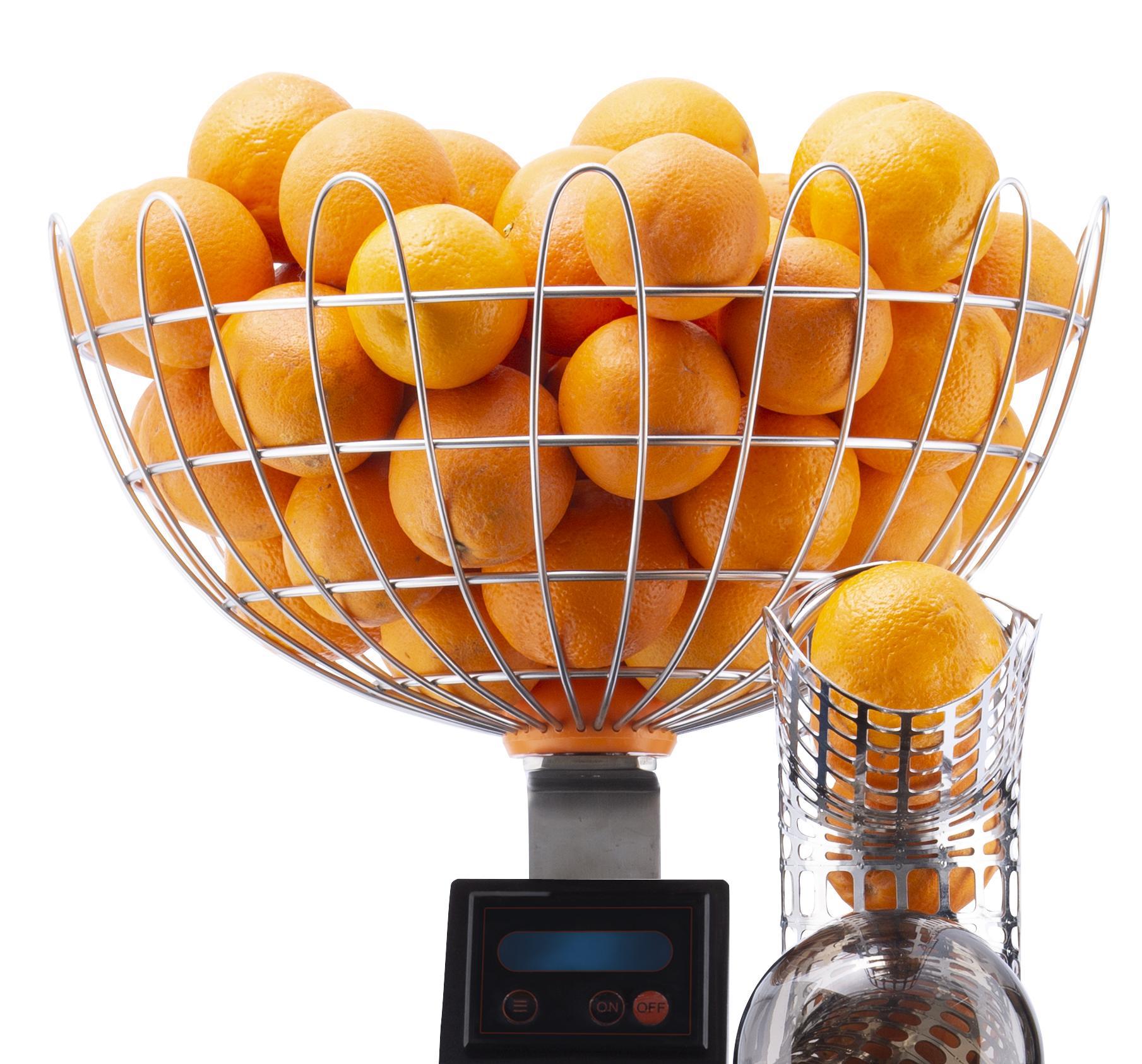
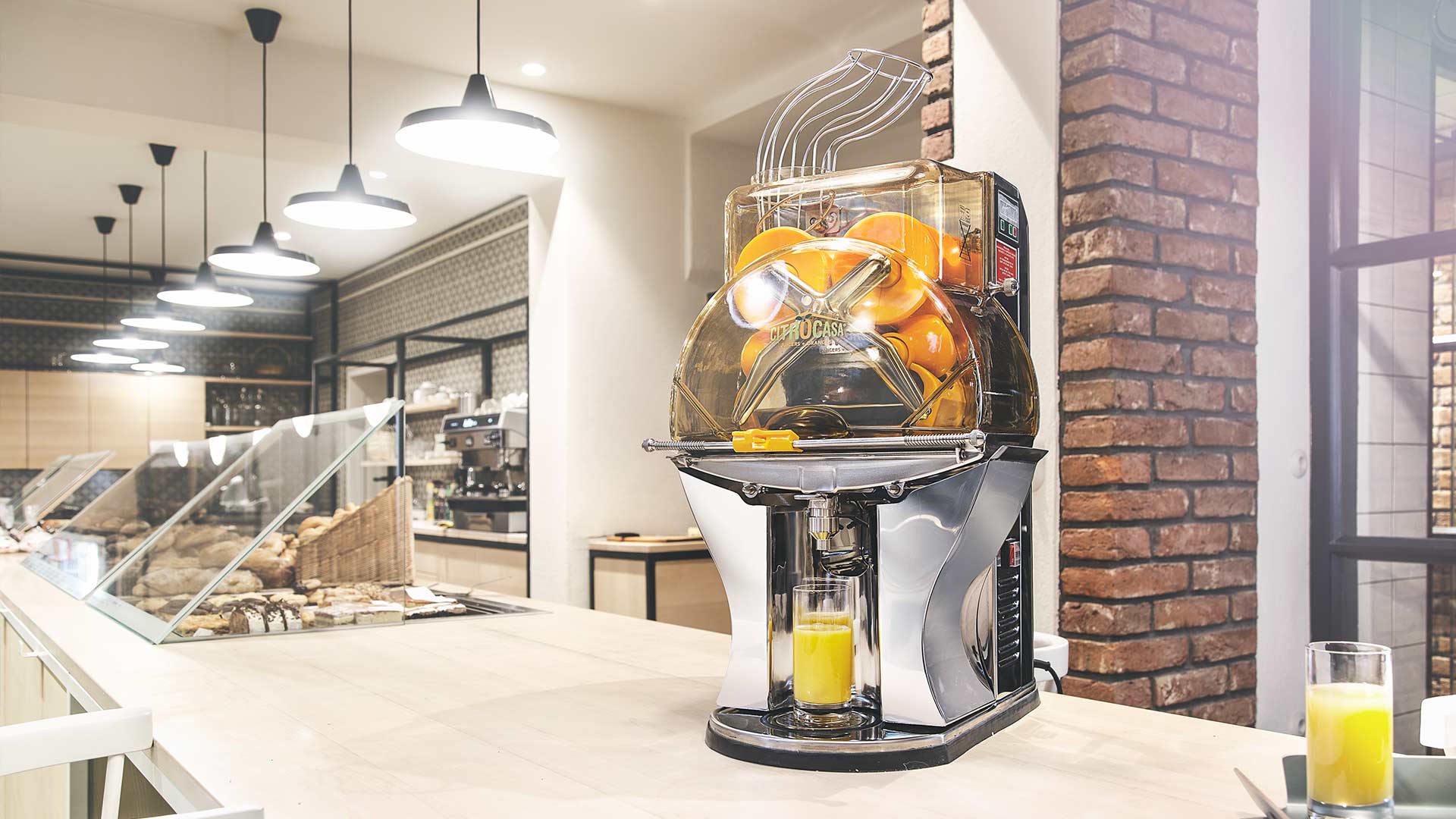
Citrus America's Citrocasa juicers are specifically engineered to preserve these high-quality sensory attributes of citrus juice while avoiding the downsides. Their precise SCS Up & Down cutting and extraction method delivers a clean, vibrant juice with a natural amount of pulp and significantly reduced peel-oil contamination, helping prevent bitterness and allowing the natural sweetness of the fruit to shine through. This results in a fresher, more enjoyable flavor profile without additives or extra sweeteners.
Because Citrocasa juicers do not suck in extra pith, the color of the juice remains more vibrant and retains the color of the fruit and pulp. While the equipment that sucks in more pith can deliver higher yield, much of that yield comes from sucking in pith, which can add bitterness, change consistency, and lighten the color of juice significantly.
For operators who want to understand why peel oil matters in commercial juicing, see our guide on optimizing juice quality with proper citrus extraction. This internal resource helps reinforce how the right equipment, like Citrocasa juicers from Citrus America, can dramatically improve both taste and consistency.
Nutrition and Enzymes
Freshly squeezed orange juice isn't just tastier; it's more nutritious. When you extract juice directly from ripe oranges, you preserve natural enzymes, vitamin C, and other phenolic compounds that support your immune system and overall wellness. Among fruit juice options, orange juice stands out for its high vitamin C content and antioxidant properties, making it a superior choice compared to many other fruit juices in terms of nutrition.
In commercial juices, such as Florida's Natural, heating and storage reduce these nutrients. Food scientists note that pasteurization can degrade ascorbic acid (vitamin C) and impact natural aroma. The result: juice that's safe and stable, but less nutritious. Additionally, storage temperature plays a crucial role in retaining both nutrients and flavor in orange juice. Juice stored at higher temperatures tends to lose nutrients and aroma compounds more rapidly, while juice stored at low temperatures better preserves its nutritional and sensory qualities.
Like so many food products engineered using food science, too much sugar can be added to the drink, making it too sweet for many and leading to health concerns. The natural flavor and sweetness in a serving of fresh orange juice, with its bouquet of citrus, will deliver a glass of sweet orange juice that is healthy and nutritious, with an amazing flavor profile.
The natural blend of fruit sugars in freshly squeezed orange juice, combined with the natural fibers and other natural substances in the juice, all contribute to
Freshly squeezed juice also maintains a balance of sweetness and acidity that feels lively on the tongue, another reason why freshly squeezed juice tastes good and refreshing compared to pasteurized alternatives.
On-Demand Commercial Juicing: How Fresh Is Delivered
Restaurants, cafés, and grocery stores aiming to serve authentic, fresh orange juice taste turn to high-efficiency commercial juicers that mimic hand-squeezing in terms of flavor, but far exceed hand-squeezing in terms of labor efficiency, hygiene, and consistency. These machines extract juice from citrus fruit without heat or air, preserving flavor, nutrients, and aroma. The food industry, and Citrocasa specifically, continually innovates in juicing technology to improve juice quality and better meet evolving consumer preferences.
Citrocasa commercial citrus juicers have a 20-year track record of innovation and success. Partnering with Citrus America in the USA, that track record has been driven with the best equipment, focused training programs, outstanding technical support, and a broad base of know-how on how to implement successful and sustainable juicing programs.
Unlike mass-produced commercial orange juice, fresh citrus juice made on-site from orange varieties like Valencia or Navel oranges can be served at its peak; vibrant, bright, and bursting with life. Seasonal varieties, such as blood oranges, Cara Cara oranges, and tangerines, add to the amazing flavors grocery stores, restaurants, and hotels can deliver. Additional variations, like seasonality and growing regions, can also greatly influence flavors and add great variation throughout the year.
Modern commercial juices from on-demand juicing systems bridge the gap between home-squeezed and industrial production, giving customers a true taste of freshness without additives or flavor packs. High-quality commercial citrus presses can deliver the best flavor and still be highly convenient.
The Citrocasa juicers do not centrifuge or heat the juice. Citrocasa juicers use a dynamic knife that moves up to cut the fruit when it is not under any juicing pressure to minimize peel tearing and reduce the amount of peel oil in the citrus juice. The two halves of the fruit are then transferred and squeezed between the upper and lower pressing units, thus cold pressing the citrus juice. The juice then flows over the sieve, where seeds are filtered out, and the juiced peels are dropped down into the peel bucket, while the juice flows into your chosen container, such as a bottle, a cup, a pitcher, or a juice glass. The cold-pressed citrus juice is now ready for consumption.
Fresh citrus juicing programs give grocery stores, restaurants, hotels, cocktail bars, and a broad range of other venues a true signature product, based on a fresh, healthy product that tastes great. Customers love fresh products, and a fresh juicing program is a fantastic way to give the customers what they want.
On-demand citrus juicing programs are a great way for operators to differentiate themselves with fantastic-tasting, freshly squeezed juice and help them compete in the marketplace. For consumers, local bars, restaurants, and grocery stores are a fast, convenient way to get freshly squeezed juice; they don’t want to do it themselves at home.
Comparison to Frozen Concentrate and NFC
Frozen concentrated orange juice (FCOJ) has long been a staple in many households, prized for its convenience and extended shelf life. However, when it comes to flavor and freshness, FCOJ and freshly squeezed juice are worlds apart. The process of making frozen concentrated orange juice involves evaporating much of the water content, which concentrates the sugars and acids but can also diminish the vibrant aroma and natural taste found in fresh orange juice.
NFC, or Not-From-Concentrate, was developed after FCOJ with the goal of providing a higher quality experience than FCOJ. NFC, however, is a highly processed product. While FCOJ and NFC are easy to store and pour, they often lack the lively, nuanced flavor that makes freshly squeezed juice so appealing. The aroma is typically less pronounced, and the overall taste can feel more uniform and less dynamic. Additionally, frozen concentrated orange juice and NFC may include added preservatives or added flavorings to enhance their shelf life and taste. Furthermore, the present standard of sourcing and labeling means some juice processing factories and juice brands can source significant amounts of fruit from outside of the United States.
Freshly squeezed juice is simply pure orange juice, nothing more, nothing less. For those who value a fresh, authentic orange flavor, freshly squeezed juice remains the top choice.
In today’s environment, many consumers are looking for more healthy, natural products. Many consumers are also looking for increased transparency in terms of the ingredients used, product sourcing, country of origin, and processes used.
The best way for grocery stores and food service operators to provide full transparency regarding fresh, healthy, all-natural juices is to actually squeeze and prepare these juices fresh, on-site, and even on-demand. A well-placed juicer shows the consumer exactly what they’re getting and adds new experiences to the store. Furthermore, it’s much easier to document where the fruit is coming from. Fruit is readily available for most of the year from Florida, Texas, and California, and can help to support domestic growers and the industry.
Quality Control and Safety
Ensuring the quality and safety of orange juice is a top priority for producers, especially in large-scale commercial operations. One of the most common methods used to extend the shelf life of orange juice is heat treatment, or pasteurization, which effectively eliminates harmful bacteria and microorganisms. However, this process can also impact the flavor and nutritional value of the juice, sometimes resulting in a less fresh-tasting product and a reduction in vitamin C content. Additionally, to reduce oxidation, some processes deaerate the juice to remove oxygen from the storage tanks where the juice will be held. The de-aeration process also removes much of the aroma from the juice prior to storing it. The aroma is added back later using flavor packs derived from citrus fruits.
To address some of these concerns, some manufacturers use flash pasteurization, a high-temperature, short-time process that helps preserve more of the juice's natural flavor and aroma while still ensuring safety. Rigorous quality control measures, including regular testing for contaminants and strict sanitation protocols, are also in place to maintain the highest standards. While these steps are essential for commercial orange juice, they can't fully replicate the fresh, vibrant taste and aroma of juice made from just-picked oranges.
Grocery stores and food service establishments that are making their own freshly squeezed juice on-premises are also concerned about quality and safety. These operators should select equipment that is easy to clean and meets the highest hygiene standards. The equipment used must be easy to sanitize fully. Furthermore, staff training and having simple-to-follow processes make fresh-squeezed orange juice a safe and efficient process.
Citrocasa juicers are the most hygienic in the industry and easy to clean. Citrus America prides itself on supplying the highest quality citrus juicing equipment and also helps operators develop the best practices for implementing highly successful and sustainable juice programs.

Taste Test: Fresh vs Bottled

When comparing freshly squeezed juice to pasteurized bottled juice, the differences in taste are unmistakable. Fresh orange juice is dynamic and complex, offering a spectrum of flavors from tangy to subtly sweet, depending on the oranges used.
By contrast, factory-processed shelf-stable bottled juice, even NFC options, often tastes uniform due to flavor standardization and blending. Some commercial orange juice is stored in deoxygenated tanks for months, then re-flavored with flavor packs before bottling.
If you've ever tasted the difference, you know that freshly squeezed orange juice, that’s really been juiced fresh, feels alive while frozen concentrate or single-strength factory-bottled juice feels engineered for consistency and shelf life. Orange juice should deliver real orange flavor, and only fresh orange juice will truly deliver on flavor. Orange juice should taste like you’re actually eating an orange, just in liquid form.
Flavor Is Taste and Aroma Combined
Our perception of flavor is the harmony between taste and aroma. Fresh orange juice excites both: bright acidity, natural sweetness, and zesty citrus notes that fill the air. When oxidation, heat treatment, or processed flavor packs dull those truly fresh aroma compounds, the juice loses its personality.
That's why freshly squeezed and fresh-squeezed orange juice tastes so good; it's not just about sweetness, but about the natural aroma, just a hint of oils from the orange peel, and the complex flavor created by nature. Again, using the proper cutting and squeezing technology helps ensure the best overall flavor without excessive peel oil and substances making the juice bitter.
Whether you're squeezing at home or serving in a restaurant, squeezing fresh fruit will always win on taste, flavor, and freshness.
Final Thoughts
So, why does fresh orange juice taste better? It's the perfect interplay of flavor, aroma, and chemistry, something no shelf-stable bottled juice or frozen concentrated orange juice can truly replicate. Every freshly squeezed orange juice captures the essence of citrus fruit at its peak: bright, aromatic, and deliciously alive.
If you love the true taste of fresh-squeezed orange juice, there's no substitute for squeezing your own or getting a bottle or glass of juice made fresh on demand. After all, the best orange juices aren't just produced, they're freshly squeezed and enjoyed right away.
Frequently Asked Questions About Drinking Orange Juice
Why does drinking orange juice freshly squeezed always taste significantly better than pasteurized bottled juice?
Freshly squeezed orange juice, whether squeezed at home or purchased fresh from a grocery store, tastes better because it retains natural flavor compounds and volatile aromas that are lost during factory-processing, pasteurization, and long-term storage. These elements give fresh juice its bright, enhanced with fresh aromas that shelf-stable bottled juice can't match.
What makes freshly squeezed juice taste so good?
The flavor of fresh orange juice comes from its balance of sweetness, acidity, and a hint of aromatic oils. The taste and aroma of freshly squeezed orange juice combine to make a truly unique flavor experience that only fresh can deliver. It’s important to have the right juicing equipment that can produce juice that’s low in peel oil to reduce the bitterness, which allows more sweetness to come through. The aroma, as designed by Mother Nature, has also been proven to enhance the perceived sweetness of fruit. Fresh juice also contains active enzymes and nutrients that enhance its lively, refreshing taste profile.
Does pasteurization change the flavor of orange juice?
Yes. Pasteurization extends shelf life by heating the juice, but it also destroys some of the natural flavor compounds and vitamin C. That's why pasteurized orange juice often tastes less vibrant than freshly squeezed juice.
How can I keep orange juice tasting fresh longer?
To preserve the flavor of fresh orange juice, store it in an airtight glass container in the refrigerator and consume it within 3-5 days. This minimizes the evaporation of important aromas and reduces oxidation that can dull the taste and color. Fresh juice bursting with fresh aromas tastes best.
Is fresh orange juice healthier than bottled juice?
A glass of fresh orange juice typically contains more vitamin C, antioxidants, micronutrients, and enzymes because it hasn't been heat-treated. That makes it both tastier and more nutritious than most shelf-stable bottled options. Furthermore, naturally freshly squeezed orange juice has no added sugars, sweeteners, preservatives, or flavor packs, but does have natural fibers and other naturally occurring substances, which means the body processes reduces sugar spikes, slows down how the body processes it, and helps you stay fuller longer.
About Us
About Citrus America – Citrus America specializes in high-performance commercial juicing solutions and programs designed to help grocery stores, foodservice operations, and retailers differentiate their offerings with fresh, high-quality products. With a focus on safety, efficiency, and innovation, Citrus America empowers businesses to create signature fresh programs that drive revenue, increase customer engagement, and enhance brand value.