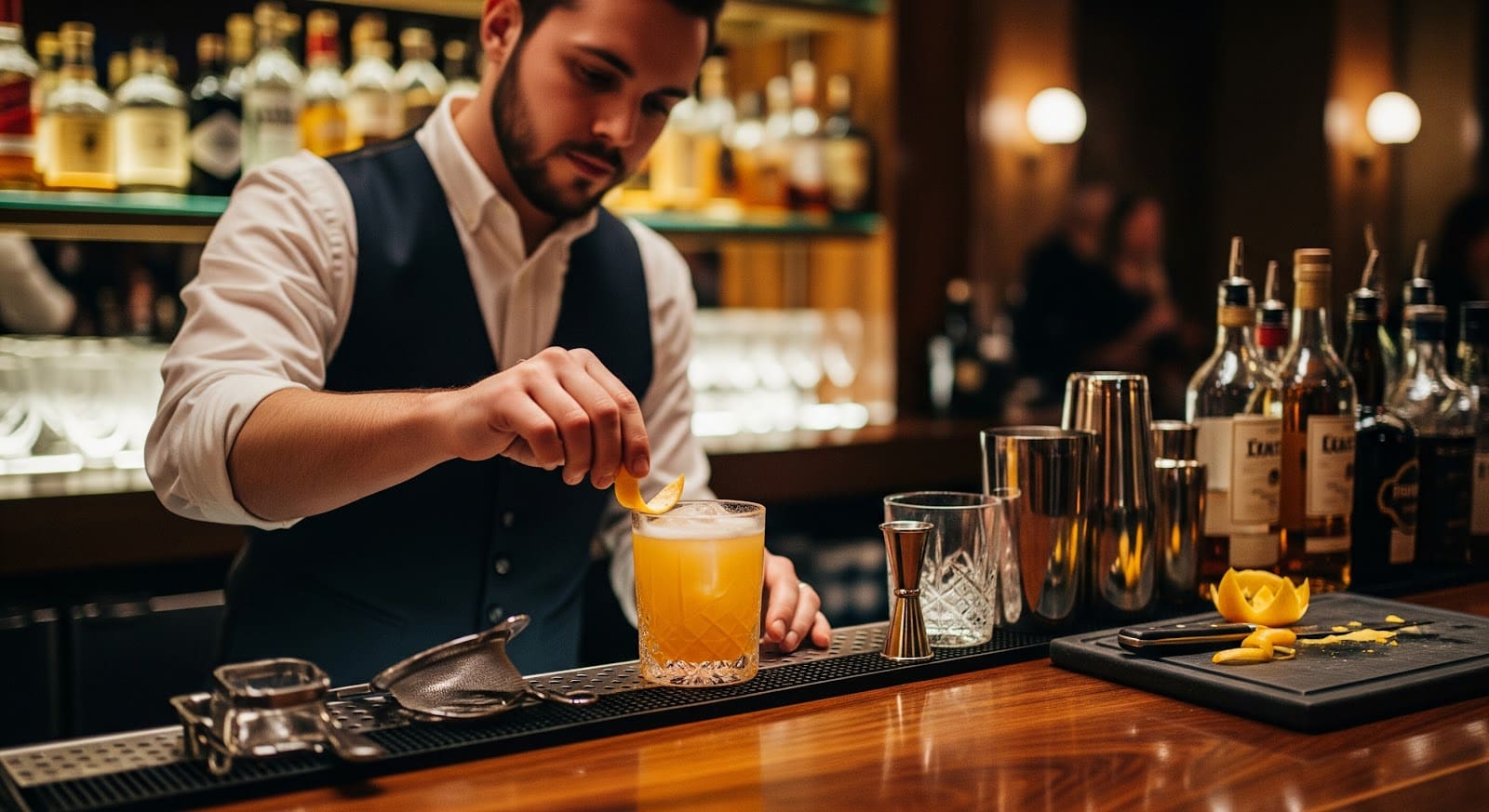


Signature cocktails do more than fill a glass—they communicate identity, create memories, and give guests a reason to come back. In today’s competitive bar and hospitality landscape, signature cocktails help businesses stand out while elevating the overall drink experience. Whether you’re developing a single signature drink, an entire cocktail menu, or a specific event, success comes from balancing creativity, consistency, and quality ingredients.
For events, offering one cocktail designed specifically for that event, such as one created by you, your partner, or inspired by your relationship, can make the experience truly personal. Signature cocktails add a personal touch to weddings and events, making them memorable for guests. For weddings, it’s often recommended to serve two or three signature cocktails to provide variety while keeping the menu focused and special.
From timeless classics to modern reinventions, the most successful cocktail programs focus on flavor profile, presentation, and efficiency behind the bar—all while delivering drinks that taste delicious and feel intentional. The best cocktails deliver by having the right garnish and the best flavor.
Cocktails as Cultural Icons: From Classic to Contemporary

A cocktail is traditionally a mixed drink that combines a base spirit with modifiers like lemon juice, lime juice, sugar, bitters, or aromatics. Many common cocktails—such as the old fashioned, martini, whiskey sour, margarita, and bloody mary—originated centuries ago and continue to influence today’s menus. The Bloody Mary, with its savory, spicy, tangy, and salty profile, is especially popular as a brunch-time classic. Champagne is also a staple in celebratory cocktails like the French 75, adding a sophisticated, bubbly touch to festive occasions. The mint julep, known for its elegant presentation in silver cups, is the signature cocktail of the Kentucky Derby and holds significant cultural importance on Derby day.
The Old Fashioned is consistently ranked as the world's most popular whiskey cocktail, made with whiskey (bourbon or rye), sugar or simple syrup, bitters, and orange peel. The Mojito is another classic, featuring white rum, mint leaves, fresh lime juice, sugar, and soda water for a refreshing taste. The Moscow Mule is a classic cocktail that is quick and easy to make and also calls for fresh lime juice. The Whiskey Sour is beginner-friendly and delicious, while the Negroni is a simple cocktail that has enjoyed enduring popularity. The Daiquiri is a light and refreshing cocktail generally liked by all. Popular signature cocktails include the Moscow Mule, Margarita, Old Fashioned, and Mojito.
The Margarita has its own story and important tips for making the best Margarita.
Here's a hint: it's not just about adding a lime wedge, or orange slice, and some triple sec to a high quality tequila.
The ongoing cocktail revival has brought renewed attention to the classic cocktail while encouraging experimentation. Drinks like the negroni cocktail, last word, and paper plane reflect this blend of history and innovation. These recipes endure because they are balanced, recognizable, and endlessly adaptable.
The Paper Plane, for example, can be considered a real modern classic cocktail which is rich on trend. The popularity of classic cocktails has surged in popularity due to their well balanced flavor profiles and fresh ingredients. For classic cocktails to really pop, use the best ingredients and be sure to use the best cocktail garnishing techniques, as described below.
Understanding this foundation allows bars to create signature cocktails that feel both familiar and exciting—an essential combination for attracting new guests while satisfying loyal regulars.
Designing Signature Cocktails Around Your Guests
Every successful signature drink begins with understanding who you’re serving. When designing a menu, consider your guests' favorite cocktails to ensure the offerings are both familiar and exciting. A neighborhood bar may thrive on approachable, lightly sweet drinks that appeal to a wide audience, while a hotel bar might lean into refined martini variations served in a chilled martini glass.
If your guests gravitate toward citrus-forward drinks, cocktails featuring fresh lemon juice or fresh lime juice will resonate immediately. For simple drinks lower in alcohol a Mimosa, featuring champagne and freshly squeezed orange juice may be just the thing. For those who prefer spirit-forward options, a rye whiskey old fashioned or a gin martini delivers depth and sophistication. A well-designed menu often includes a mix of refreshing cocktail options, bold whiskey drink builds, and at least one crowd pleaser that appeals to nearly everyone.
The goal isn’t to offer everything—it’s to curate intentionally so each cocktail supports your brand. Signature cocktails can also be inspired by a couple's favorite drinks, their first date, or can reflect their personalities or wedding themes.
Building a Signature Drink: Structure, Balance, and Creativity

Most signature cocktails follow a simple structure: spirit, citrus, sweetener, and garnish. From there, creativity takes over.
Spirit: pick the brand of spirit, such as vodka, tequila, gin or whiskey that reinforces the taste, aroma, and appearance of the cocktail your creating.
Citrus: always use fresh citrus as the aroma and overall flavor profile can not be matched by factory produced juices.
Sweetener: selected ingredients like simple syrup, triple sec, honey, or maple syrup can bring sweetness and subtle differences to your cocktail.
Garnish: and a lime wedge, an orange slice, fresh herbs, such as mint, basil, or rosemary to add both aroma and enhance the drink's appearance for the absolute best cocktail.
A vodka cocktail might start with fresh lemon juice and simple syrup, then evolve with cranberry juice or sparkling wine for texture and brightness. Red wine can also be used as a float or ingredient to add complexity and color to signature cocktails, such as in a wine float on a whiskey sour. A tequila-based signature drink could incorporate triple sec, lime juice, and a salt rim, while a mezcal margarita adds smokiness and depth. Gin pairs beautifully with herbs, floral notes, and soda water for a refreshing drink that feels modern.
The garnish plays a critical role in signaling flavor before the first sip. A lime wedge, orange slice, fresh mint, or cocktail cherry adds aroma, color, and perceived value—bonus points when the garnish reinforces the drink’s story.
Blending classic cocktail bases with unexpected flavors—like a Lavender Margarita or Spiced Pear French 75—can result in truly unique signature cocktails.
Why Fresh Citrus Defines Great Cocktails

Fresh citrus is one of the most important factors in crafting great cocktails. Drinks like the whiskey sour, classic daiquiri, margarita, mai tai, and moscow mule rely on acidity for balance. Bottled alternatives flatten flavor, while fresh lemon and lime deliver brightness that elevates every recipe.
Even a more complex recipe, such as a Whiskey Sour or an Amaretto Sour, that requires egg white, needs the fresh citrus flavor to make the drink complete. Fresh ingredients enhance the overall experience and help create signature experiences.
Fresh citrus, when properly prepared, also enhances taste consistency across high-volume service. When paired with quality spirits—from vodka and gin to tequila and whiskey—the result is a cocktail that feels vibrant, balanced, and premium. Simply put, the best cocktails are built on fresh juice.
Efficient Citrus Juicing Behind the Bar
Hand-squeezing citrus all night can slow service and strain staff. Professional bar programs rely on tools that maintain speed without sacrificing quality. A reliable cocktail shaker, sharp knives for garnishes, and commercial citrus juicing equipment allow bartenders to focus on execution rather than fatigue. A well-equipped home bar can also benefit from these tools, making it easier to prepare quality signature cocktails and impress guests.
For home bars, a simple manual citrus press or reamer is an excellent choice. However, for hotels, casinos, cocktail bars, restaurants, and steakhouses a commercial citrus press is a must for both efficiency and bartender safety. Manually squeezing boxes of citrus can add hours or labor, while using a high quality commercial citrus juicer can reduce juicing times by more than 75%.
Making a signature drink does not have to be labor intensive.
Reducing peel oil during juicing is especially important. Excess oil can add bitterness, while clean extraction makes juice taste sweeter without added sugar. This improves both flavor and consistency—two pillars of a successful cocktail program. If manually squeezing citrus be sure to use a sharp serrated-edge knife to get a good clean cut on your citrus and then squeeze it using your hand squeezer or citrus reamer. If opting for a commercial citrus juicer, be sure to invest in a piece of equipment that delivers the best test possible.
Reducing peel oil during juicing is especially important. Excess oil can add bitterness, while clean extraction makes juice taste sweeter without added sugar. This improves both flavor and consistency—two pillars of a successful cocktail program. If manually squeezing citrus be sure to use a sharp serrated-edge knife to get a good clean cut on your citrus and then squeeze it using your hand squeezer or citrus reamer. If opting for a commercial citrus juicer, be sure to invest in a piece of equipment that delivers the best test possible.
Using large ice cubes in stirred drinks like the Old Fashioned is also important, as it minimizes dilution while keeping the drink cold.
Non-Alcoholic Signature Drinks That Still Impress
Zero-proof options deserve the same attention as alcoholic drinks. A non-alcoholic signature drink made with soda water, lemon juice, simple syrup, and fresh mint can be just as memorable as a spirit-based cocktail. Cranberry juice adds color and acidity, while club soda keeps things light and refreshing.
Offering thoughtful non-alcoholic options expands your audience and positions your bar as inclusive and guest-focused.
Tiki Drinks and Escapism in a Glass
Tiki cocktails are known for layered flavors, tropical ingredients, and playful presentation. A classic mai tai blends white rum, dark rum, lime juice, and sugar for a balanced, complex drink that feels like a vacation. Ginger beer, citrus, and dramatic garnish choices turn these drinks into a total crowd pleaser—perfect for parties and special events.
Iconic Cocktails Guests Always Recognize
Some drinks never go out of style. The margarita remains one of the most popular cocktails in the world, with endless variations ranging from classic builds to smoky mezcal margarita interpretations. The classic daiquiri proves that simplicity—white rum, lime juice, and sugar—can still feel elegant.
The old fashioned, often made with a sugar cube and whiskey, showcases how restraint creates depth. Meanwhile, the moscow mule, with vodka, ginger beer, and lime, continues to be a refreshing cocktail guests recognize instantly.
Craft Cocktails vs. Everyday Mixed Drinks

A craft cocktail emphasizes technique, balance, and fresh ingredients. Think of drinks like the espresso martini, negroni cocktail, last word, or a well-executed vodka martini. A standard mixed drink prioritizes speed and familiarity.
Both have a place behind the bar, but signature cocktails often live firmly in the craft category—where flavor profile, garnish, and presentation are deliberate.
Bartenders, Mixologists, and the Human Element
Bartenders bring cocktails to life. A great bartender understands taste, speed, and hospitality, while a mixologist often focuses on developing new recipes and experimenting with ingredients like green chartreuse, egg white, or fresh herbs.
The job can be physically demanding—lifting bottle after bottle, handling glassware, and repeating motions throughout a long shift. Smart bar design, proper tools, and efficient workflows reduce risk and improve consistency.
Bartender Wellness & Job Satisfaction

Employee safety, wellness and retention is absolutely critical for running a sustainable signature cocktail program. Happy bartenders engage more with the clientele and enhance the overall experience. Programs that enhance bartender safety & wellness help reduce call-outs and can dramatically reduce workers compensation expenses. Increased job satisfaction, by reducing or eliminating unpleasant tasks, can also help increase employee retention.
For the home bar, knowing the right techniques is important, but not critical. In a commercial setting, where volume production and efficiency is key to overall program success.
Proper training and the right equipment can help support these goals.
Garnishes and Presentation: The Art of the Finishing Touch
A cocktail’s first impression is often visual, and garnishes are the secret ingredient that transforms a good drink into a showstopper. The right garnish not only hints at the flavor profile but also adds elegance and personality to any classic cocktail. For example, a whiskey sour becomes instantly more inviting with a vibrant cocktail cherry or a twist of lemon juice-infused peel. Fresh mint leaves or a lime wedge can elevate a refreshing cocktail like a Moscow Mule, adding both aroma and a burst of color.
While each bartender can come up with their own garnishing technique be sure to include herb sprigs, dehydrated fruit, salt or sugar rims, or fresh cut citrus that enhances the flavor profile and appearance of your cocktail.
Glassware also plays a starring role in presentation. Serving a vodka martini in a chilled martini glass with a lemon twist or cocktail cherry signals sophistication, while a highball glass filled with sparkling wine and a sugar cube creates a celebratory vibe. Even a simple garnish—like an orange slice or a sprig of mint—can make your cocktail stand out. Whether you’re crafting a whiskey drink or a vodka-based creation, never underestimate the power of a thoughtful garnish and the right glass to make your drink memorable.
Common Mistakes to Avoid When Crafting Signature Cocktails
Even the most creative signature drink can fall flat if a few key principles are overlooked. One of the most common mistakes is failing to balance flavors—think of a whiskey sour that’s too tart from excess lemon juice or too sweet from too much simple syrup. Achieving the perfect cocktail means carefully measuring each ingredient, whether it’s fresh lime juice, cranberry juice, or whiskey, to ensure every sip tastes delicious.
Another pitfall is skimping on ingredient quality. Using bottled juices instead of fresh lime juice or lemon can dull the drink’s flavor profile, while artificial sweeteners can overpower the natural taste. Overcomplicating your cocktail with too many ingredients can also muddle the flavors, making it hard for any one element to shine. Instead, focus on a few high-quality components and let them speak for themselves.
Finally, don’t forget the finishing touch—a well-chosen garnish and thoughtful presentation can turn a good drink into a signature cocktail that guests remember. By avoiding these common mistakes, you’ll craft drinks that are balanced, beautiful, and truly crowd-pleasing.
Promoting Signature Cocktails and Measuring Success

Once your signature cocktails are launched, promotion matters. Highlight them on menus, feature them during special events, and share them on social channels. A well-photographed martini or margarita can become a visual hook that drives traffic.
Track which drinks perform best. If a whiskey sour or vodka cocktail becomes a favorite cocktail among guests, lean into it. Feedback helps refine recipes, adjust garnishes, and ensure every drink served remains a crowd pleaser.
Signature Cocktail Events: Showcasing Your Creations
Hosting a signature cocktail event is a fantastic way to highlight your creativity and give guests a memorable experience. Start by selecting a few standout cocktails that showcase your favorite flavor profiles—perhaps a classic daiquiri for its timeless appeal, a refreshing mojito as a crowd pleaser, or a bold paper plane for those who love something unique. Don’t be afraid to get playful with names; a clever twist like “Mai Tai the Knot” or “Whiskey Business” adds personality and makes your event even more memorable.
When it comes to preparation, a quality cocktail shaker and freshly squeezed lemon or lime juice can elevate your drinks to professional levels. Garnishes like a sprig of rosemary, a slice of orange, or a classic lemon twist add color and fragrance, making each cocktail as visually appealing as it is delicious. Whether you’re serving at a wedding, corporate gathering, or casual get-together, a well-crafted signature cocktail—presented with care and creativity—will leave a lasting impression and ensure your event is a total crowd pleaser.
Keeping Your Cocktail Program Fresh

Seasonal updates keep guests engaged. Fresh mint shines in summer, cranberry juice fits winter menus, and citrus plays year-round. Watching trends—like renewed interest in classic cocktails or lower-sugar builds—helps bars stay relevant without chasing fads.
Healthy Profits
At Citrus America, Inc. we've been promoting Healthy Profits for 15 years. We do this by proving high quality juicing solutions that deliver on Taste, Hygiene, and Efficiency.
Making the best signature cocktails, truly the best cocktails possible, help create memorable experience, can create social media buzz, supports your overall brand image, and helps drive customer retention. In addition, signature products can be highly attractive profit margin drivers that provide real value to your customers. This is what we mean, when we talk about Healthy Profits.
Final Thoughts About Signature Cocktails
Creating standout signature cocktails isn’t about complexity—it’s about intention. When quality ingredients, fresh citrus, thoughtful garnish choices, and efficient bar operations come together, every cocktail becomes an opportunity to connect with guests.
One great drink, a real signature drink, can define your bar. Build it with care, and guests will remember it long after the party ends.