

Competing in the grocery industry has never been more challenging - or more full of opportunity. With rising labor costs, shifting customer expectations, stronger competition, and constant pressure on profit margins, every grocery retailer is looking for ways to stand out, attract customers, and build long-term loyalty. Industry leaders are shaping trends and responding to market changes by embracing innovation and strategic decision-making.
Discounters are growing. Internet shopping continues to outpace overall growth. C-stores are broadening their offering. Delivery services are expanding grocery delivery options. Global players continue to invest and expand in the USA.
While some grocery and supermarket chains are struggling in today's environment, there are other specialized and differentiated players that continue to grow: in fact, their growth outpaces overall segment growth.
Success today requires more than competitive pricing or a clean store. It takes strategic differentiation, operational excellence, and a modern understanding of what shoppers value most. Maintaining or growing market share amid evolving industry trends is crucial for grocery retailers. From smarter inventory management to fresh-food programs on the store perimeter, staying ahead by tracking trends and adapting quickly to changes is essential. Here’s how grocery store owners can position their business for sustainable growth.
Grocery Store Success: Introduction to Grocery Retail

The grocery retail landscape is more dynamic than ever, requiring grocery store owners to be agile and forward-thinking to succeed. With evolving customer expectations and fierce competition, understanding the fundamentals of grocery retail is essential. A thoughtfully designed grocery store layout not only makes shopping more enjoyable but also encourages shoppers to explore more aisles, increasing the likelihood of impulse purchases and higher sales. Effective inventory management ensures that shelves are always stocked with the products customers want, helping to retain customers and prevent lost sales. By focusing on these core areas - store layout, inventory management, and customer loyalty - grocery store owners can create a welcoming environment that keeps customers coming back and positions their store for long-term growth.
"If you can't go head-to-head and toe-to-toe with the most successful discounters, then you better come up with a new strategy. You have to figure out how to differentiate yourself in the market and/or focus on specific segments where you can win."
- Brian Framson, President of Citrus America
Understanding Customer Behavior
In today’s grocery retail environment, understanding customer behavior is key to staying competitive. Grocery store owners who leverage data analytics can gain valuable insights into what drives their customers’ purchasing decisions, from the appeal of competitive pricing to the desire for a personalized shopping experience. By analyzing sales data and tracking trends, stores can make smarter choices about inventory management, ensuring popular items are always available and reducing waste. This data-driven approach also helps grocery store owners tailor marketing efforts and promotions to their specific customer base, increasing the effectiveness of campaigns and encouraging repeat visits. Ultimately, a deep understanding of customer behavior empowers grocery stores to better meet customer needs, strengthen their business, and build lasting relationships.
Winning Strategy #1: Build a Competitive Advantage Through Differentiation

Every successful grocery store has one thing in common: a clear, compelling reason for shoppers to choose them over another retailer. That competitive advantage can come from specialty items, exceptional service, curated private labels, local produce partnerships, or a strong perimeter program.
Shoppers increasingly look for fresh foods, convenience, and high-quality experiences. Leading grocery retailers invest in perimeter departments - bakery, deli, prepared foods, produce, and fresh beverages - because these sections shape customer perception. While center-store items often compete on price, perimeter offerings build a store’s brand image, quality impression, and overall customer experience.
Analyzing purchase patterns, such as bundling hamburger buns with ground beef, enables stores to personalize offers, target customer segments more effectively, and increase sales through strategic product placement and promotions.
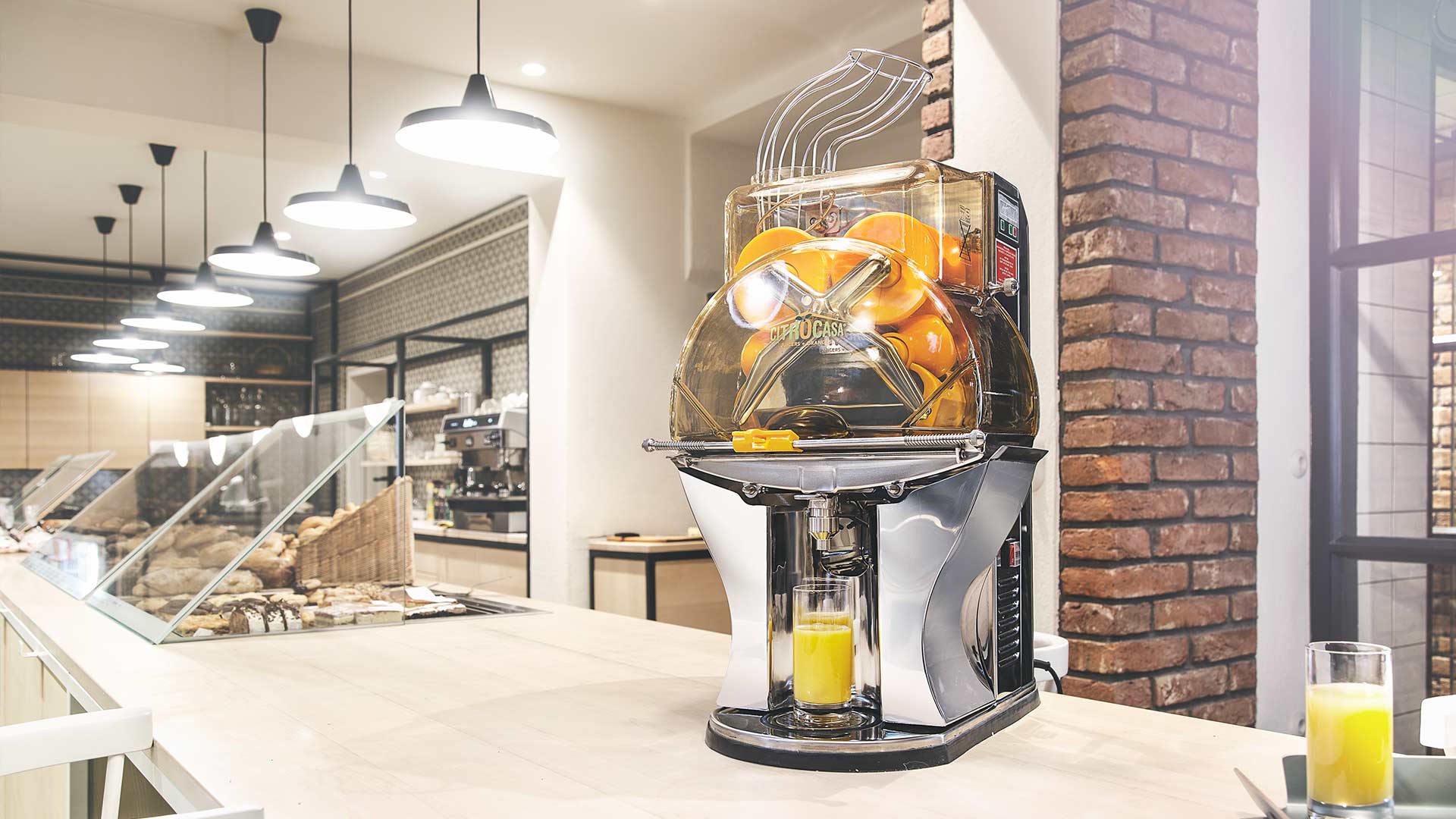
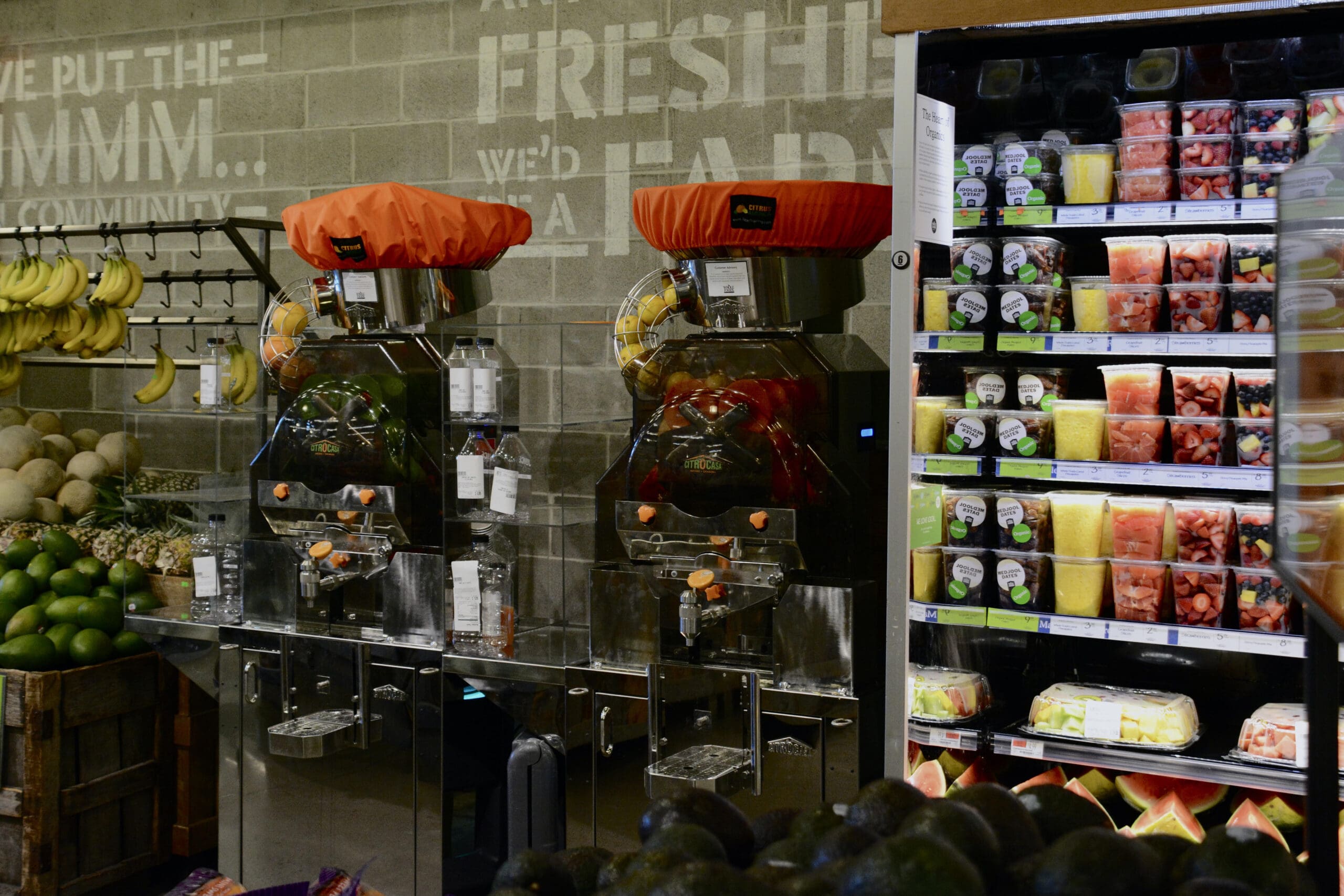
Fresh-squeezed juice programs are a strong example. Citrus America equipment allows stores to offer a fresh, premium product that enhances the perimeter experience. While results vary by store, many operators report higher conversion rates, stronger customer loyalty, and positive shopper feedback when they add a fresh-juice station.
"Nearly every supermarket, warehouse club, grocery store, and convenience store has what I call a "Wall of Juice" filled with factory-processed juices. But very few offer an in-store, freshly squeezed, pure and natural juice program. That's one way for your store to differentiate itself."
- Brian Framson, President of Citrus America
Winning Strategy #2: Leverage the Store Perimeter to Build Traffic, Brand, and Profitability

Most customers have easy access to the internet and can order many products on line. In fact, to reduce costs at home, some customers may even put some items on subscription to maintain their own stock levels at home. This reduces in-store time consumers spend and commoditizes many of the products national and local grocery stores carry in their aisles. These products are frequently boxed, canned, jarred and bagged processed foods that are shelf-stable.
There are a few ways supermarkets and grocery stores can counter this to develop more in store traffic, drive differentiation, and capture more market share. Today's trends call for more fresh product and less highly processed foods, also referred to as Ultra-Process Foods, or UPFs. The younger generations of shoppers are looking for healthier solutions, yet are also looking for convenience.
Many customers want fresh products. Today's focus on healthy foods, nutrition, and reducing the amount of processed foods in their diet will drive more consumers to spend more time on the outside perimeter of the store. Stocking out of fresh products or displaying old, tired-looking products, can negatively impact the consumer experience and reduce customer retention.
That said, having well-stocked, freshly prepared, healthy, nutritious, and convenient products can greatly enhance the consumer experience, increase in-store frequency and support increased customer retention and market share.
The store perimeter has historically been where grocers place the freshest products. Milk and eggs are typically located in coolers at the back of the store, the deli is typically somewhere along the edge of the store as well as the seafood and butcher departments. These departments are focused on fresh products that need easy access to kitchen/prep areas and need access to both washing, cooking, and cooling equipment.
The produce department is another area that requires much more frequent stocking to keep the assortment fresh. The fresher the assortment, the happier the customer, which helps build more traffic when customers need to replenish their stock at home.
A huge trend in the grocery produce department has been focused on fresh cut produce. This is truly a value-added product that is prepared in store by trained staff. Studies have also shown that consumes are willing to pay a premium for both health and convenience: fresh cut produce delivers on both. Products such as cut pineapple, mixed berries and fruit salads are readily available in many stores. High-value stores also spend time and labor preparing vegetables to make home cooking much more convenient for consumers.
However, as discussed below, labor is scarce and allocating labor is a critical aspect of the business. Stores have to leverage their POS systems to track buying trends. Regardless of if customers use self checkout or employee operated sale systems, the POS system can help grocers monitor stock levels of freshly prepare items and keep stock levels at the right level.
In addition to investing in the right POS solution, shareholders much be sure to invest in the right in-store equipment that allows grocery staff to efficiently prepare fresh products for the perimeter. Chopping onions, coring pineapples, preparing charcuterie boards can all be labor intensive. However, by making smart investment decisions with attractive ROIs, stores can produce high-value products while actually reducing labor costs.
Commercial juicing equipment from Citrus America is built specifically for this environment: durable stainless steel, easy-to-clean components, and patented extraction that helps ensure great-tasting citrus juice without bitter peel oil. These features help stores deliver fresh products efficiently while supporting hygiene and labor savings. All these features contribute to efficient, hygienic, and profitable store operations.
Fresh citrus juice is essentially fresh cut fruit, but in liquid form. Manually cutting fruit and preparing berry mixes and fruit salads can be extremely labor intensive, but highly rewarding for grocery stores. A well run citrus juicing program in a grocery store can produce a lot of freshly bottled juice with relatively little labor input. Furthermore, with the right equipment, grocery stores have been hugely successful implementing 'self-service juicing strategies' where the customers can actually fill their own bottles: giving them the excitement of making their own juice, quickly and conveniently, and also keeping store labor costs low. This is clearly a win-win situation.
In addition to this, based on POS system data, Citrus America has received a lot of customer feedback, from retail operators, that fresh juice consumers tend to visit their stores more frequently and tend to buy more attractive, higher-margin products, building highly attractive baskets.
Winning Strategy #3: Use Modern Store Layout and In-Store Experience to Attract Customers

Create unique experiences and offer unique products to stand out in a competitive segment.
Store layout plays a major role in shopper flow, product discovery, and impulse purchases. High-impact displays, clear signage, and strategic placement of sale items can help retailers attract customers and guide them through key categories.
To encourage shoppers to spend more time in the perimeter:
- Place fresh and colorful produce at key sightlines
- Create open, welcoming atmosphere zones
- Highlight local suppliers and seasonal items
- Feature prep demos, cooking tips, or fresh-made beverages
- Position value-added stations (like fresh juice) where customers naturally congregate
- Offer convenience, such as grab & go coffee, fresh breakfast items, and other high turn items where customers can see them and come back more frequently for these items
- Install self-checkout stations that allow customers to scan and pay for their own items, enhancing convenience, speed, and efficiency
An engaging in-store experience can influence customer behavior and increase dwell time, leading to more shoppers discovering sale items, private labels, and specialty offerings.
Building Customer Loyalty

Customer loyalty is the cornerstone of a thriving grocery store. For grocery store owners, implementing a customer loyalty program can be a powerful way to retain customers and boost sales. These programs reward shoppers for their continued business, offering incentives like discounts, exclusive offers, or points for every purchase. Beyond loyalty programs, engaging with customers through social media channels allows stores to share cooking tips, recipes, and updates on sale items, creating a sense of community and keeping the store top-of-mind. By building strong relationships and consistently delivering value, grocery store owners can cultivate a loyal customer base that not only returns regularly but also advocates for the store, driving word-of-mouth referrals and long-term business growth.
Citrus America is also a strong believer that customer loyalty is based on trust. A grocery store that can consistently deliver on its brand commitment can strengthen the relationship with its customer. Increased transparency into sourcing and ingredients can truly be a differentiating factor in building strong relationship with your customers.
Marketing and Promotion
Effective marketing and promotion are essential for any grocery store looking to stand out in a crowded market. Grocery store owners can use a mix of marketing channels - such as social media, email campaigns, and in-store promotions - to reach both new and existing customers. Special promotions like buy-one-get-one-free deals, seasonal discounts, and loyalty rewards are proven ways to attract new customers and encourage repeat visits. Partnering with local suppliers to offer unique, high-quality products can further differentiate a grocery store from big box retailers, appealing to shoppers who value local produce and specialty items. By consistently promoting what makes their store unique, grocery store owners can increase sales, grow their customer base, and strengthen their business.
Winning Strategy #4: Data-Driven Operations: Boost Efficiency and Strengthen Profit Margins

Even smaller stores benefit from using data analytics to optimize ordering, reduce costs, and improve inventory management. Understanding customer behavior, past purchases, and sales data allows retailers to identify areas needing improvement and discover new opportunities.
Key data-driven approaches include:
- Maintaining strong inventory control to prevent stockouts and spoilage
- Using a comprehensive POS solution that integrates checkout, inventory management, and analytics for accurate stock levels and reporting
- Monitoring high-traffic areas for product placement optimization
- Analyzing which items drive impulse buys
- Adjusting labor allocation based on traffic patterns
- Reviewing turnover rates in specific departments, where data analytics can help pinpoint issues and drive targeted improvements within a specific department
A robust point-of-sale solution, combined with scanner scales, mobile payment options, and self checkout stations, helps retailers boost efficiency, shorten long lines, and reduce customer frustration. Modern shoppers expect convenience, and advanced checkout tools help maintain a smooth in-store experience. A modern sale system also supports customer loyalty programs, inventory management, and online ordering, further enhancing operational efficiency and customer engagement.
Effective inventory control and loss prevention are essential for grocery store success. Implementing security measures such as surveillance cameras, anti-theft tags, and security doors helps protect inventory and deter theft throughout the store.
Winning Strategy #5: Labor Is Scarce - Allocate It Where It Matters Most
Labor costs continue to rise, and retaining employees is a challenge for many grocery retailers. Strategic labor allocation can help stores maintain a strong brand image while ensuring key departments operate effectively.
Methods to maximize labor impact include:
- Cross train employees to increase flexibility
- Focus staff time on high-value, customer-impact areas
- Identify areas where automation or equipment can reduce manual workload
- Use efficient equipment (such as Citrus America juicers) to save time on food prep and cleaning
- Build strong relationships with staff to reduce turnover
Well-trained employees not only improve the shopping experience but also support safety, hygiene, and consistency in fresh-food operations.
Home Delivery Options
Home delivery has quickly become a must-have feature in grocery retail, offering grocery store owners a significant competitive advantage. By providing customers with the convenience of shopping from home, stores can attract new customers who prioritize ease and flexibility. Grocery stores can choose to partner with third-party delivery services or develop their own delivery systems to meet this growing demand. Leveraging data analytics allows grocery store owners to optimize delivery routes, manage labor costs, and ensure a seamless customer experience. By embracing home delivery, grocery stores not only increase sales but also enhance customer satisfaction, positioning themselves as modern, customer-focused businesses ready to meet evolving needs.
Winning Strategy #6: Become a Community Hub, Not Just a Retail Store

Modern shoppers prefer to support businesses that engage with the community. A local grocery store can become more than a place to buy food - it can become a welcoming, trusted destination.
Ways to build community presence include:
- Highlighting local suppliers
- Hosting sampling events
- Offering home delivery or curbside pickup
- Work with local schools and universities on nutrition programs and healthy eating strategies
- Supporting local causes
- Sharing tips, recipes, and fresh beverage ideas through social media channels
- Creating programs that encourage shoppers to return regularly
These initiatives not only strengthen community ties but also help attract and engage potential customers, turning casual visitors into loyal shoppers.
When customers feel connected to a store, they are more likely to remain loyal, recommend the business to others, and explore new departments - including the produce and fresh-beverage sections.
Conclusion: Grocery Store Success Comes from Fresh Thinking and Smart Investment
Succeeding in grocery retail requires a mix of strategic differentiation, perimeter excellence, strong inventory management, labor efficiency, and a memorable in-store experience. Success is also supported with the right technology. Fresh programs - including produce, prepared foods, and fresh juice - can help attract customers, enhance brand image, and increase overall store traffic.
Citrus America supports grocery retailers by providing high-quality, easy-to-clean, commercial juicing equipment that can elevate the perimeter without adding unnecessary labor strain. For stores looking to enhance their fresh-food offerings, increase customer engagement, and build long-term loyalty, investing in the right equipment and strategy can make all the difference.
If you’d like help identifying the right juicing solution for your store, Citrus America can assist with planning, equipment, training, and program support - so you can start delivering the fresh experiences shoppers increasingly expect.